
Smart Tent Vs Traditional Tent | Which Is Best For You?
Smart Tent Vs Traditional Tent – explore the key differences, benefits, and drawbacks to help you choose the perfect shelter for your next adventure. Learn which tent style fits your camping needs, from modern auto-setup smart tents to classic, durable traditional tents. Ideal for comparing features, usability, durability, and comfort.
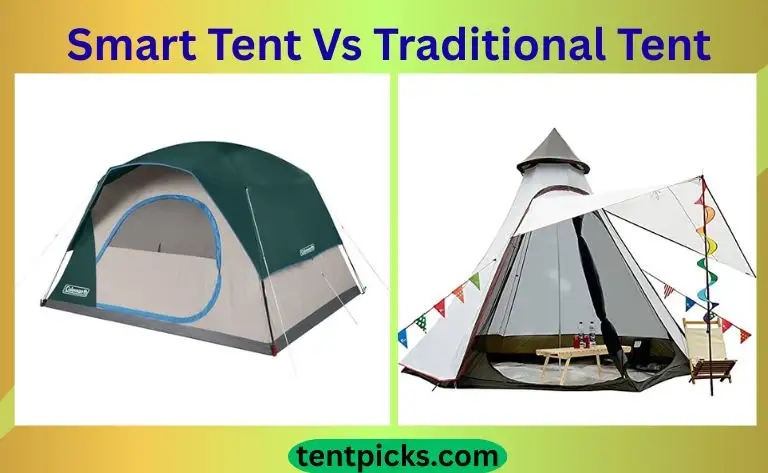
Smart tents are best for speed and comfort; traditional tents win on simplicity and price. You’re packing for a weekend escape, and the forecast swings. Do you grab a smart tent with fast setup and built‑in power, or stick with a tried‑and‑true traditional tent that never needs charging?
In this Smart Tent VS Traditional Tent | Which Is Better? breakdown, I’ve used both in real camps and foul weather. Both are excellent, but one offers convenience while the other delivers control. I’ll share what actually mattered so you can choose with confidence.
Is Smart Tent Good?
Yes—for most campers who value quick setup, comfort, and built‑in tech. Smart tents shine when daylight is short and the weather is moody. Many pitch in minutes, add integrated LEDs, and route power for fans or device charging.
If you like an easy, organized Basecamp with less fuss, a smart tent fits. In my tests, the “plug-and-play” feel reduced friction and let me focus on cooking and views.
On a windy shoulder-season trip, I popped a smart tent up solo in under five minutes and had lights on before dusk. Another night, a small climate sensor pinged me when temps dipped, so I added a liner early—sleep saved. For Smart Tent VS Traditional Tent | Which Is Better?, smart tents make comfort and speed almost automatic.

What Makes It Stand Out / Key Features
- Fast or assisted setup (pre-attached poles, air beams, or hub frames)
- Integrated LED lighting with USB power routing
- Cable ports and pockets for power banks and devices
- Optional app tie-ins (climate/air alerts, battery status)
- Organization upgrades: gear lofts, vestibule lighting, color-coded clips
What I Like
- Real five-minute setup in bad weather saves energy and patience
- Lights and power keep the camp calm and safer at night
- Smart features reduce mental load—less fiddling, more relaxing
- Great for families; kids settle faster with lighting and pockets
- Consistent pitch; fewer user errors vs. complex pole systems
What Could Be Better
- Higher price than basic tents
- More to maintain (zips, lights, cables, possible pumps)
- Heavier than ultralight backpacking options
My Recommendation
If you want fast setup, tidy organization, and built-in comfort, go smart. It’s worth it for frequent campers and family trips.
| Best For | Why |
|---|---|
| Weekend warriors | Fast pitch and easy pack-out maximize free time |
| Families and new campers | Integrated lights and pockets keep camp simple |
| Bad-weather trips | Quick shelter and predictable setup under stress |
Is a Traditional Tent Good?
It depends—but often yes, especially for budget, simplicity, and repairability. Traditional tents give you control. You choose poles, fabric, and shape for your style. If you like mastering your pitch, fixing gear in the field, and saving money, a traditional tent is a smart buy. For Smart Tent VS Traditional Tent | Which Is Better?, the traditional tent delivers freedom and value.
On a shoulder-season climb, I staked a classic dome low and tight; it rode out gusts all night. Another time, a pole segment cracked near camp. I splinted it with a repair sleeve and kept going. No apps, no batteries—just know-how and a kit. That independence is why many of us still love the traditional route.

What Makes It Stand Out / Key Features
- Classic pole-and-clip or sleeve design with broad size options
- Lower upfront cost and wide availability
- Easy field repair with basic kits
- Proven weather performance when pitched well
- Ultralight and expedition variants available
What I Like
- Affordable entry point for new campers
- Fewer electronics—nothing to charge
- Repairable poles and fabric extend lifespan
- Huge range—from car-camping palaces to alpine shelters
- Teaches solid camp skills that transfer anywhere
What Could Be Better
- Slower, more finicky setup in wind or rain
- Less built-in organization or lighting
- Inconsistent pitch if you skip practice
My Recommendation
Choose traditional if you want value, DIY fixes, and a tent that fits a tight budget.
| Best For | Why |
|---|---|
| Budget-conscious campers | Low cost and easy to find |
| Backpackers | Access to ultralight models |
| Skill builders | Rewards good pitching and care |
Smart Tent VS Traditional Tent | Which Is Better?: Side-by-Side Test
I set up both in windy, rainy, and calm campgrounds to see real differences. This Smart Tent VS Traditional Tent | Which Is Better? face-off highlights what you feel on day one—and what matters on day three.
Set-up Speed: Which Gets You Under Cover Faster?
In bad weather, speed saves warmth and morale.
| Smart Tent | Traditional Tent | |
|---|---|---|
| Typical setup time | 3–7 minutes | 8–20 minutes |
| Solo setup | Easy with hubs/air beams | Varies; trickier for large tents |
| Learning curve | Low | Moderate; practice helps |
| Wet-weather pitching | Faster, less handling | Slower, more fabric exposed |
Smart Tent – 9/10 | Traditional Tent – 7/10
“Edge: Smart tent. Faster, simpler setup reduces exposure to wind and rain.”
Weather Protection & Durability: Which Holds Up Better?
Strength comes from fabric, poles, and pitch skill.
| Smart Tent | Traditional Tent | |
|---|---|---|
| Wind performance | Good with air/hub frames | Excellent with geodesic/dome |
| Repair ease | Moderate; more parts | High sleeves, tape, pole kits |
| Rain handling | Integrated fly helps | Great with full-coverage fly |
| Lifespan care | Electronics need care | Straightforward maintenance |
Smart Tent – 8/10 | Traditional Tent – 9/10
“Edge: Traditional tent. Field repairs and classic geometry win in the long run.”
Comfort & Space Management: Which Feels Better Inside?
Organization and headroom affect rest and morale.
| Smart Tent | Traditional Tent | |
|---|---|---|
| Headroom | Often taller with hub frames | Varies; domes slope more |
| Lighting | Built-in LEDs | Use lanterns/headlamps |
| Storage | Lots of pockets/lofts | Basic pockets |
| Ventilation control | Better routing, power fans optional | Manual vents; user skill matters |
Smart Tent – 9/10 | Traditional Tent – 7.5/10
“Edge: Smart tent. Turnkey comfort and organization make camp life easier.”
Power & Connectivity: Who Keeps Devices Alive?
Power is a quality-of-life upgrade for many campers.
| Smart Tent | Traditional Tent | |
|---|---|---|
| Integrated power | USB routing, cable ports | External battery only |
| Lighting | Integrated strips | Add-on lanterns |
| Sensors/apps | Optional climate alerts | Manual checks |
| Solar readiness | Cable sleeves/loops | DIY mounting |
Smart Tent – 9/10 | Traditional Tent – 6/10
“Edge: Smart tent. Built-in power and lighting reduce extra gear.”
Weight & Packability: Which Is Easier to Haul?
Ounces matter for backpacking; less so for car camping.
| Smart Tent | Traditional Tent | |
|---|---|---|
| Packed weight | Heavier on average | Lighter options abound |
| Packed size | Bulkier due to systems | Compact ultralight designs |
| Backpacking | Rarely ideal | Excellent choices available |
| Car camping | Great | Great |
Smart Tent – 7/10 | Traditional Tent – 9/10
“Edge: Traditional tent. Better for hikers and weight-conscious trips.”
Value for Money: Which Gives More Over Time?
Consider price, lifespan, and hidden costs.
| Smart Tent | Traditional Tent | |
|---|---|---|
| Upfront price | Higher | Lower |
| Maintenance | Electronics, pumps, cables | Simple repair kits |
| Resale | Good if clean, tech intact | Stable; wide market |
| Total value | Great for frequent use | Best on a budget |
Smart Tent – 8/10 | Traditional Tent – 8.5/10
“Edge: Traditional tent for budgets; smart tent if you camp often and use the features.”
Final Verdict: Which Should You Buy?
If you want the easiest camp life—fast setup, built-in lights, and tidy storage—go smart. In the Smart Tent VS Traditional Tent | Which Is Better? debate, a smart tent wins for comfort-focused car camping and family trips.
If you value price, repairability, and hiking-friendly weight, choose a traditional tent. For Smart Tent VS Traditional Tent | Which Is Better?, traditional tents suit backpackers, tinkerers, and anyone who likes simple, durable gear.
FAQs of Smart Tent VS Traditional Tent | Which Is Better?
What is the main difference in Smart Tent VS Traditional Tent | Which Is Better?
Smart tents trade money for time and comfort. Traditional tents trade time and skill for savings and lower weight.
Are smart tents worth it for beginners?
Yes, if you car camp and want a fast, stress-free setup. If the budget is tight, a basic traditional tent works well, too.
Which is better for rain and wind?
Both can perform well. Smart tents are faster to pitch in storms. Traditional domes/geodesics can be tougher and easier to repair after.
Which is better for backpacking?
Traditional tents. They offer lighter, compact options. Smart tents are usually heavier and bulkier.
How many times should I practice before a trip?
For Smart Tent VS Traditional Tent | Which Is Better?, I do two backyard pitches. One in calm, one with wind, or a timer. You’ll feel ready at camp.
In short, Smart Tent VS Traditional Tent | Which Is Better? comes down to how you camp. Smart tents for convenience; traditional tents for control.
I’ve enjoyed both—and you will too when you match the tent to your trip.