

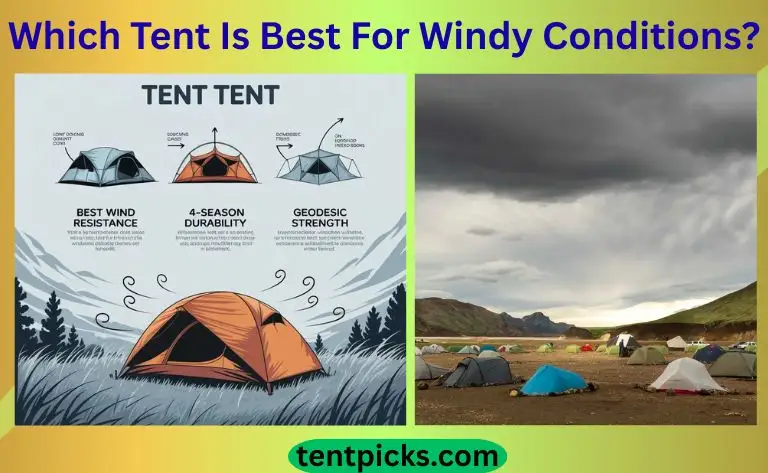
Which Tent Is Best For Windy Conditions? | Top Picks 2026
Which Tent Is Best For Windy Conditions? Discover the top-rated tents for strong winds in 2026, built for stability, durability, and safety. Explore expert reviews of the best wind-resistant camping tents — including dome tents, geodesic tents, and lightweight backpacking shelters.
Find out which tent performs best in harsh weather, coastal breezes, and mountain gusts. Perfect for campers seeking reliable protection in any windy adventure! Best in wind: low-profile geodesic or tunnel tent with strong poles.
If you camp where gusts roar, this guide is for you. I’ve tested shelters in deserts, on ridgelines, and during coastal squalls. Below, I break down Which Tent Is Best For Windy Conditions, why it works, and how to set it up so it stays put when the weather flips.
You will leave with clear picks, mistakes to avoid, and pro tricks you can use on your next trip.
Visit our Tents Corner for the best tent for you!
What Makes A Tent Windworthy
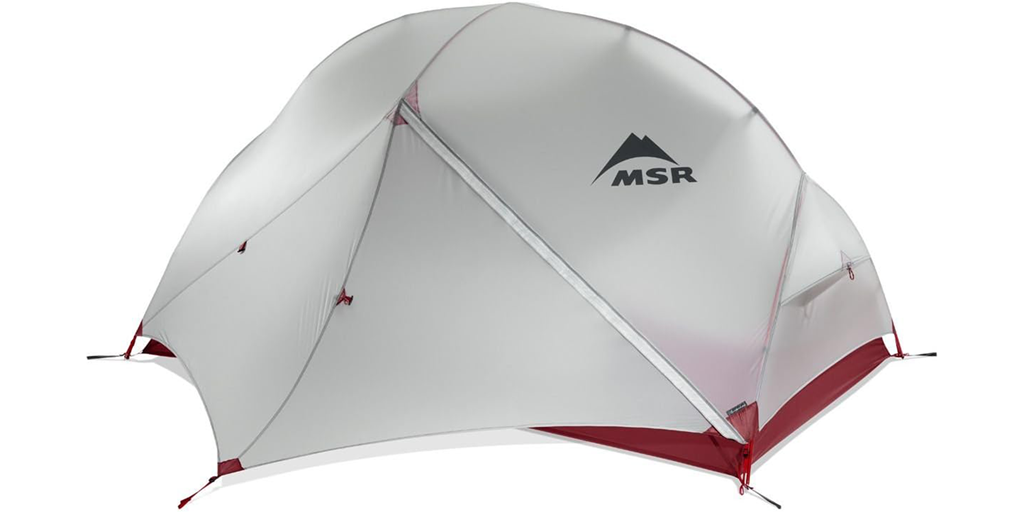
A windworthy tent starts with shape. Lower is better. Smooth curves shed wind. Big flat walls catch it. A tight canopy cuts flapping and stress.
Pole structure matters more than fabric weight. More pole intersections mean more strength. Geodesic and tunnel frames shine here. Avoid long unsupported spans.
Look for a full-coverage rainfly that reaches near the ground. More guy-out points spread the load. Reinforced guy loops and webbing help a lot. Choose high-tension guylines with low stretch.
Good stakes are key. Y or V stakes hold well in firm soil. Long sand or snow stakes work in soft ground. Carry extras for backups and more anchors.
Few zippers, tidy vents, and solid seam work also help. Each opening is a stress point. Clean patterns and strong stitching boost the whole system.
Tent Designs Ranked For Wind
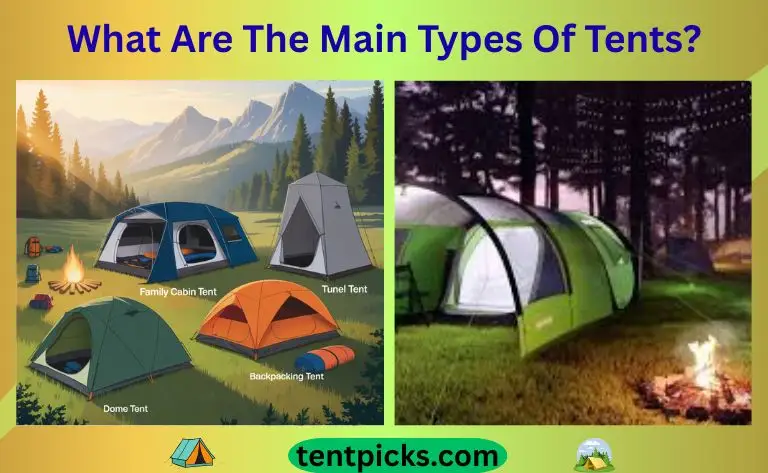
Geodesic dome tents
- Best all-around for strong, shifting winds.
- Many crossing poles share the load.
- Stand well above treeline and in winter.
Tunnel tents
- Great in steady, one-directional wind.
- Very strong for weight when pitched right.
- Need careful orientation with the nose into the wind.
Wedge or A-frame styles
- Low front, higher back sheds wind well.
- Simple and light, but fewer pole crossings.
Standard dome tents (3-season)
- Fine for breezy nights and light storms.
- Round shape helps, but fewer pole crossings limit strength.
Pyramid or tipi shelters
- Low profile with a single center pole.
- Stable if you can stake the perimeter tight.
- Not ideal in rocky ground where staking is poor.
Ultralight trekking pole tents
- Can do well if kept low and taut.
- Use many stakes and strong guylines.
- Best for skilled users and moderate winds.
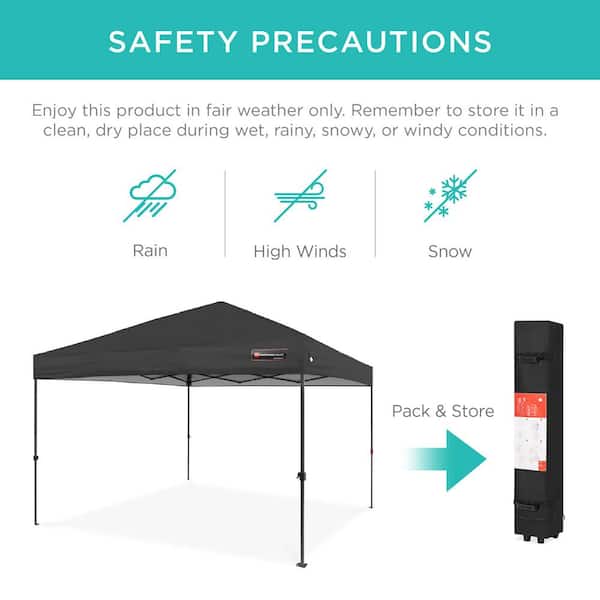
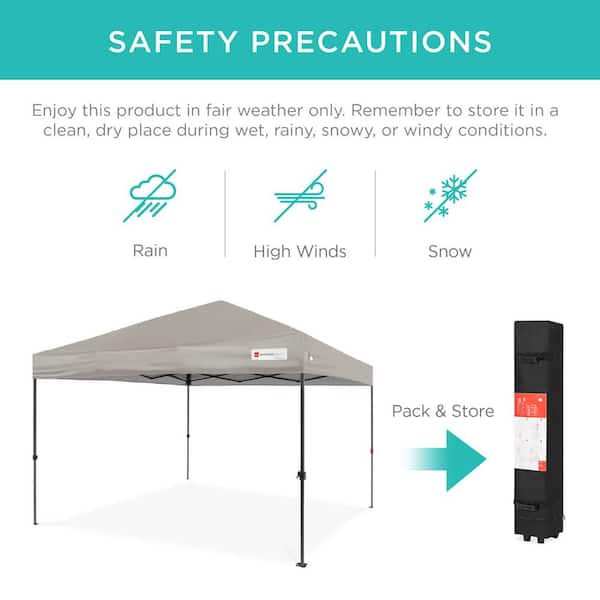
Pop-up and tall cabin tents
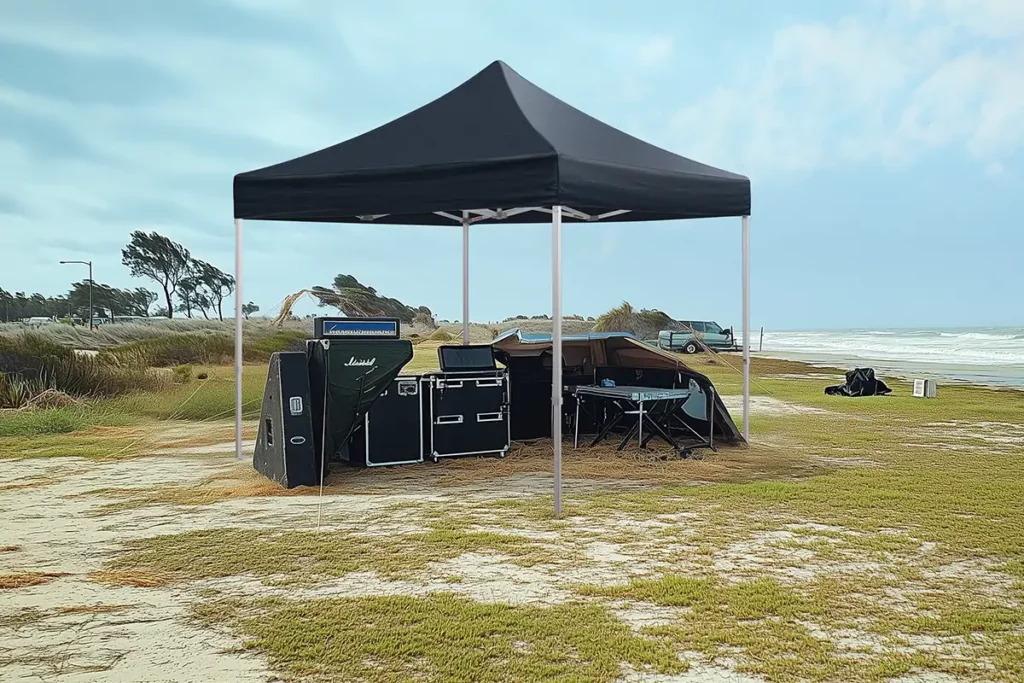
- Poor in wind due to height and big flat walls.
- Use only in calm, protected sites.
Which Tent Is Best For Windy Conditions often comes down to geodesic or tunnel designs. If wind shifts a lot, go geodesic. If the wind is steady and you want a lighter carry, pick a tunnel.
Materials And Components That Matter In Wind
Poles are the skeleton. High-grade aluminum poles, like DAC alloy, bend without breaking and spring back. Carbon can be stiff and light, but may snap in cold or side loads. Avoid fiberglass for wind; it can splinter under stress.
Fabric strength is not only about denier. Look for ripstop nylon or robust polyester with quality coatings. Silicone-coated nylon (silnylon) has good tear strength. Polyester sags less when wet, which helps hold pitch.
Guyline choice matters. Low-stretch lines like Dyneema stay taut. Use tensioners that grip well with gloves. Reflective tracers reduce trips at night.
Stakes must match the soil. Y or V stakes for dirt. Long stakes for sand or snow. In rock, carry a cord to build rock anchors. Add repair sleeves for poles and a small fabric patch kit.
Details add up. Bar-tacked guy points. Wide webbing at anchor points. Double stitching on seams. These small features keep your tent together when gusts slam it.

Real-World Pitching Tips For Wind
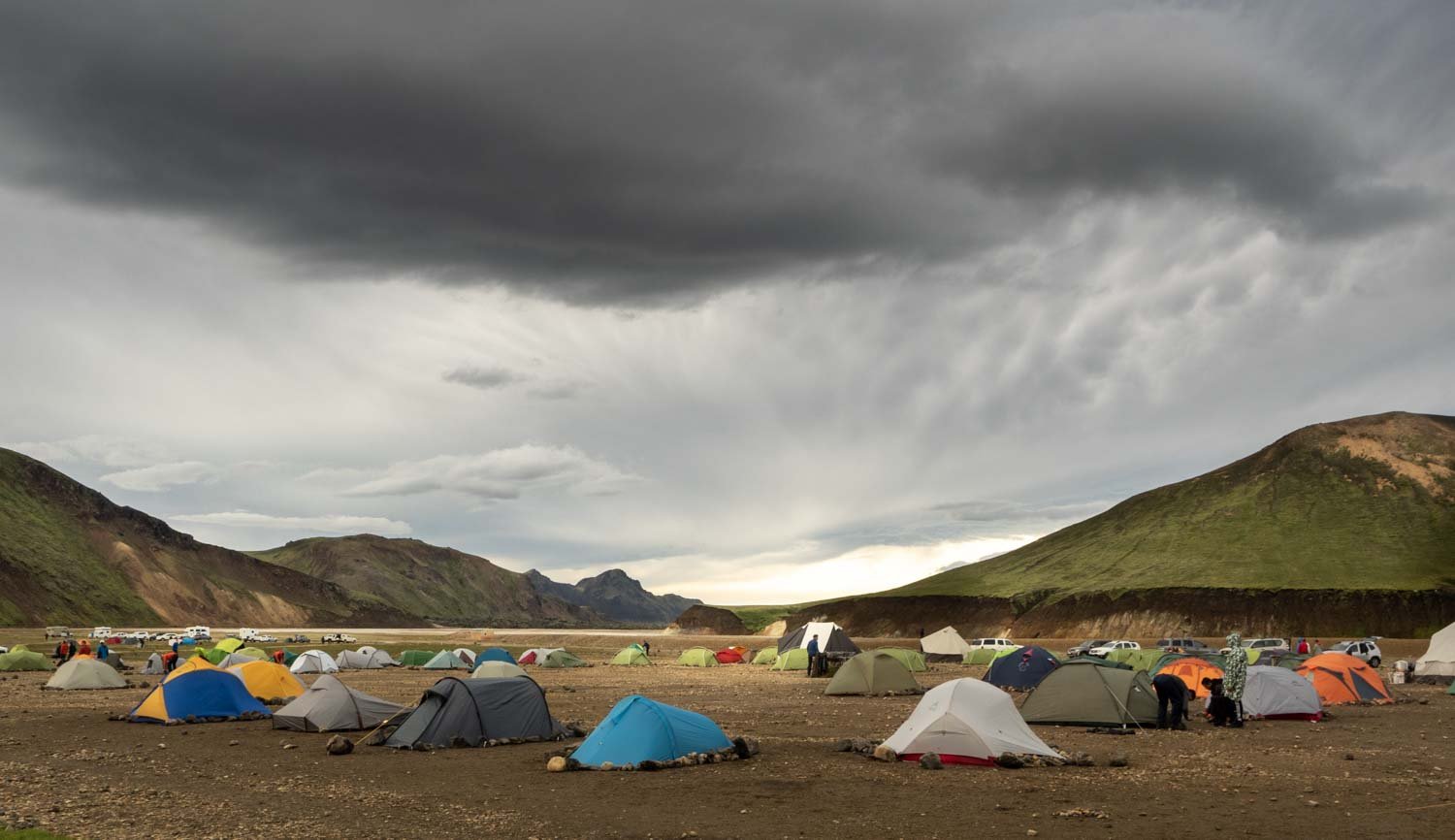
Choose the right site. Use natural wind breaks like shrubs or boulders. Avoid saddles and gaps where wind funnels. High ridges are rough; drop down a bit if you can.
Point the narrow end into the wind. For tunnel tents, face the nose straight at the gusts. For geodesic tents, aim for the lowest profile windward.
Stake first, then build. Anchor the windward corners before you raise poles. Add guidelines as you go. Keep the fly drum tight but not over-cranked.
Use the right angles. Guy at 45 to 60 degrees from the tent. Split load with two lines at big panels. Add extra lines to the poles, not just the fly, if points exist.
On snow or sand, bury stakes as deadmen. Pack snow or sand tight and let it set. In rock, use long cords around big stones. Re-check tension at night as temps drop.
:strip_icc()/bhg-beach-shade-test-neso-1-tent-canopy-kimberly-souza-02-0a886c1c95a5492cae777e306808ead9.jpeg)
How Much Wind Can Tents Handle
Ratings vary and testing is not standard. As a guide, a strong 4-season geodesic can handle 60 to 80 mph gusts when pitched well. A tunnel of similar class can handle 50 to 70 mph if aligned right.
A solid 3-season dome does fine up to 25 to 40 mph. Ultralight trekking pole tents manage 20 to 35 mph, with skill. Beyond that, skill and site choice matter more than specs.
Beaufort 6 feels like hard work to walk in. That is near 25 mph. At Beaufort 8, limbs break and tents fail if not bombproof. Use that feel to judge risk in the field.

Best Tents For Windy Conditions By Use Case
Backpacking in rough, cold weather
- Pick a compact geodesic with at least three crossing poles.
- Full fly, many guy points, and robust Y stakes.
- Weight goal: 5 to 8 lb for two people.
Alpine or winter basecamp
- Choose a heavy-duty geodesic or a low tunnel with snow skirts.
- Large vestibules for cooking and gear.
- Bring spare guylines and snow stakes.
Coastal and shoulder-season trips
- Low tunnel or wedge with polyester fly to reduce sag.
- Fast to pitch in gusts. Strong pegs for sand or mixed soil.
Ultralight mountain travel
- Low-profile trekking pole shelter with many stake points.
- Dyneema guylines and extra mid-panel tie-outs.
- Accept a tighter living space for wind safety.
Family or car camping in windy plains
- Shorter, dome-style family tents with many guy points.
- Avoid tall cabin shapes. Add extra stakes and lines.
- Park your car as a wind break when allowed.
Budget picks that still work
- Look for aluminum poles, not fiberglass.
- Full fly to the ground and six or more guy points.
- Upgrade stakes and guylines yourself.
If you ask Which Tent Is Best For Windy Conditions for backpacking, I lean geodesic for safety. For steady beach winds, a tunnel pitched nose-first is great. For a family in an exposed site, a low dome with many guylines beats a tall cabin every time.
A Buyer’s Checklist To Judge Windworthiness
- Count pole crossings. More intersections equal better load sharing.
- Check flight coverage. It should reach low with many guy points.
- Tug guy anchors. They should be reinforced and bar-tacked.
- Inspect poles. Prefer quality aluminum with a sturdy hub design.
- Flex the fabric. Look for tight weave, solid coatings, and neat stitching.
- Review stakes. Upgrade to Y or V stakes and carry extras.
- Ask about wind tests or real expedition use, not just lab claims.
When you compare, repeat the phrase Which Tent Is Best For Windy Conditions as a test prompt. If the answer is not clear from the specs, keep looking. Strong wind is not the time for guesswork.

Common Mistakes To Avoid In Wind
- Picking a tall tent because it feels roomy at the store.
- Facing the broad side into the wind.
- Using short, thin stakes on soft ground.
- Skipping extra guylines to save a few ounces.
- Not re-tensioning as the fabric relaxes in cold or wet.
I once watched a tall cabin tent fold at 2 a.m. The family had no spare stakes or guylines. The next night, we shared our extras and kept their low dome tight. Small changes made a big difference.

Maintenance And Upgrades For Wind Resistance
Swap the factory cord for low-stretch guylines. Add line-locs that bite well. Pre-cut guys for each key point. Color-code windward lines for fast setup.
Upgrade stakes to match your ground. Carry four long spares. Pack a pole repair sleeve, tape, and a few small patches.
Dry and store the tent clean to protect coatings and seams. Check the guy points and zipper seams for wear. Replace worn shockcord before a big trip.
These simple steps can shift Which Tent Is Best For Windy Conditions from a model name to a system you trust. Your setup, care, and add-ons matter as much as the label.
Frequently Asked Questions: Which Tent Is Best For Windy Conditions
What tent shape handles wind the best?
Low geodesic and tunnel tents handle wind the best. They use strong pole geometry and smooth shapes to shed gusts.
Are 3-season tents okay for windy conditions?
They are fine for moderate wind if pitched well. For high winds, step up to a robust 4-season or a compact geodesic.
Do I need special stakes for wind?
Yes, match stakes to soil. Use Y or V stakes for firm ground and long sand or snow stakes for soft ground.
Is aluminum or carbon better for windy tents?
High-grade aluminum is the safe bet because it bends and rebounds. Carbon is light but can fail in side loads or deep cold.
How should I face my tent in the wind?
Point the narrowest end into the wind. For tunnel tents, face the nose windward; for domes, aim the lowest profile.
Can an ultralight trekking pole tent work in the wind?
It can in moderate winds with a tight pitch and many anchors. Use strong guylines and reinforce mid-panels.
What fabric is best for wind resistance?
Silnylon has great tear strength, while polyester sags less when wet. Both work if the design and pitch are solid.
Conclusion
If you want a simple rule, pick a low geodesic or a well-anchored tunnel. Add strong stakes, low-stretch guylines, and a careful pitch. That is, Which Tent Is Best For Windy Conditions when the breeze turns brutal?
Take this checklist to the store or your gear closet. Test your setup on a blustery day close to home. Ready to go deeper? Subscribe for field-tested gear tips, or drop your wind stories and questions in the comments.

One Comment