

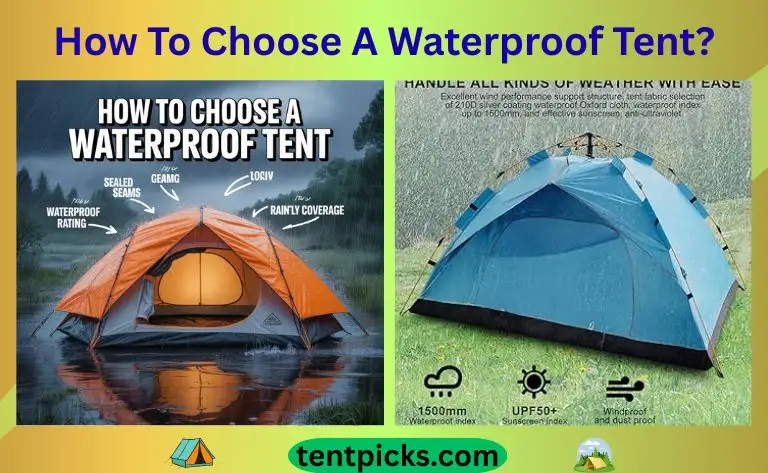
How To Choose A Waterproof Tent? Best Expert Guide 2026
How To Choose A Waterproof Tent? Learn expert tips for 2026 on waterproof ratings, rainfly materials, seam sealing, tent fabrics, and weather protection; perfect for camping, hiking, and backpacking in rainy conditions. Choose high-quality fabric, sealed seams, smart design, and the right size.
When rain comes hard, a good tent turns chaos into calm. I’ve guided in storms from the Rockies to the Highlands, and I’ve learned what really keeps you dry. This guide shows you How To Choose A Waterproof Tent For Outdoor Adventures?, with clear steps, field-tested tips, and simple checks you can use today.

Source: amazon.com
Why Waterproofing Matters In The Backcountry
Water is sneaky. It finds weak seams, low floors, and pinholes. Wet gear kills comfort and morale. In cold weather, it can be risky. If you wonder How To Choose A Waterproof Tent For Outdoor Adventures?, start here: waterproofing is more than fabric. It is a system.
Rain protection and condensation control are different. Many “leaks” are actually a drip or a mist from your breath. Good vents help. So do smart pitch angles. The best tents block rain and still let air flow.
Source: alibaba.com
Fabric And Waterproof Ratings (Hydrostatic Head)
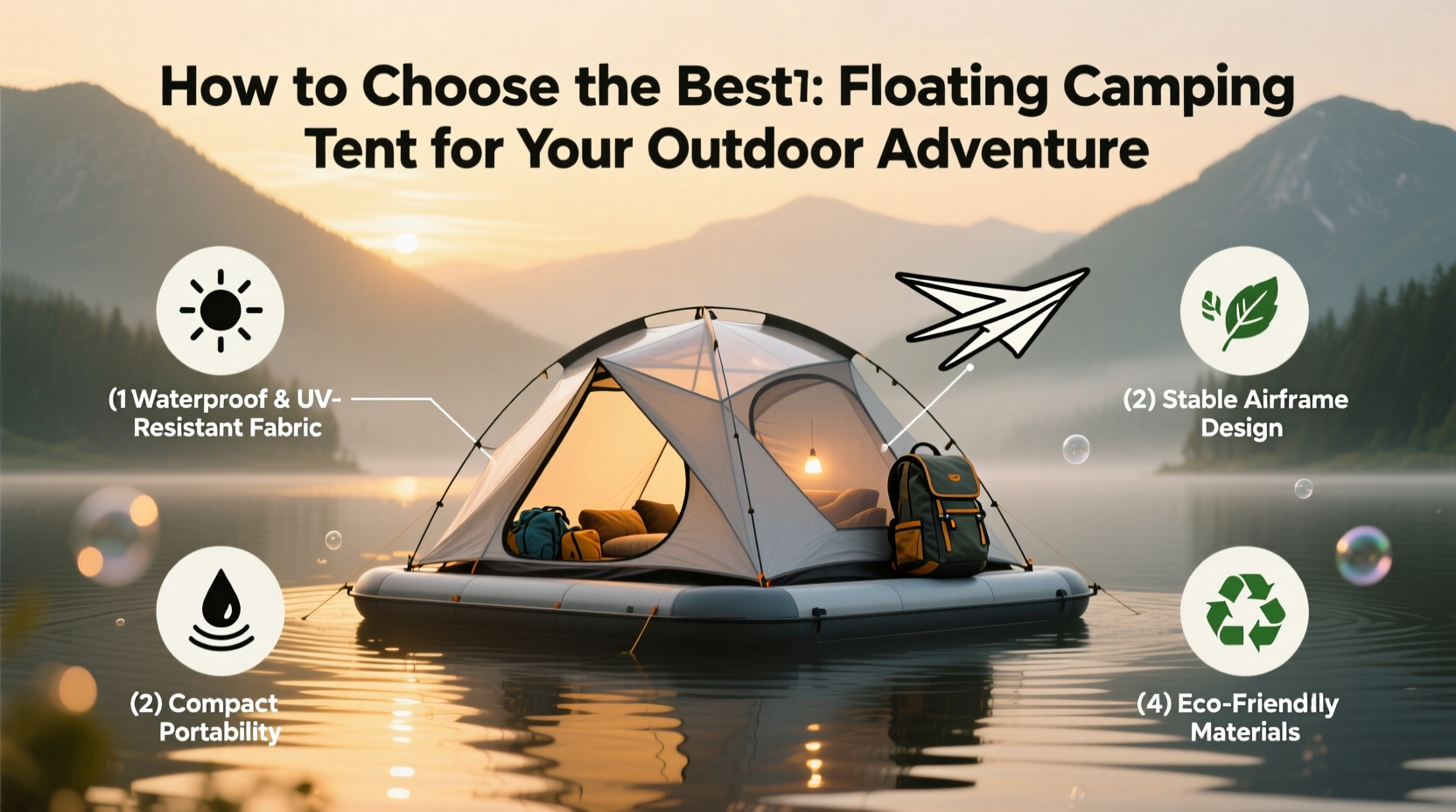
A big step in How To Choose A Waterproof Tent For Outdoor Adventures? is fabric. Look at the hydrostatic head rating (HH). This lab value tells you how much water pressure the fabric can resist. Higher is not always better, but there are safe ranges.
- Rainfly rating: Aim for 1500–3000 mm HH for three-season trips; 3000+ mm for heavy rain.
- Floor rating: Go higher. 3000–5000 mm helps stop ground seep, knee pressure, and puddles.
- Coatings: PU is common and budget-friendly. Silnylon is strong and sheds water well, but may need manual seam sealing. Silpoly sags less when wet. DCF (Dyneema) is light and very waterproof, but pricey and less abrasion-resistant.
- Denier: Higher denier can mean tougher fabric. It is not a waterproof score, but it helps with durability.
When I coach friends on How To Choose A Waterproof Tent For Outdoor Adventures, I suggest they check both fly and floor ratings. Then match their weather. Long, wet trips call for higher floor numbers and strong fabric at corners.

Source: uzdrowisko-kamienpomorski.pl
Seam Sealing, Zippers, And Construction Details
Seams are the first place water tries to sneak in. Many tents come seam-taped at the factory. Silicone-coated fly fabrics often need manual seam sealing at home. Take your time. Follow the maker’s guide.
- Bathtub floor: Look for a tall floor that rises several inches. This blocks splash and puddles.
- Zippers: YKK or similar. Covered by storm flaps. Rain should not drip right onto the zipper path.
- Guy-out points: Extra loops on the fly add tension. Tension stops fabric flop and pooling.
- Stitching: Tight, even, and clean. Loose threads can wick water.
If you ask How To Choose A Waterproof Tent For Outdoor Adventures?, check the seams first. The best fabric loses to bad stitching every time.
Source: alibaba.com
Tent Design: Double-Wall vs Single-Wall, Geometry, And Ventilation
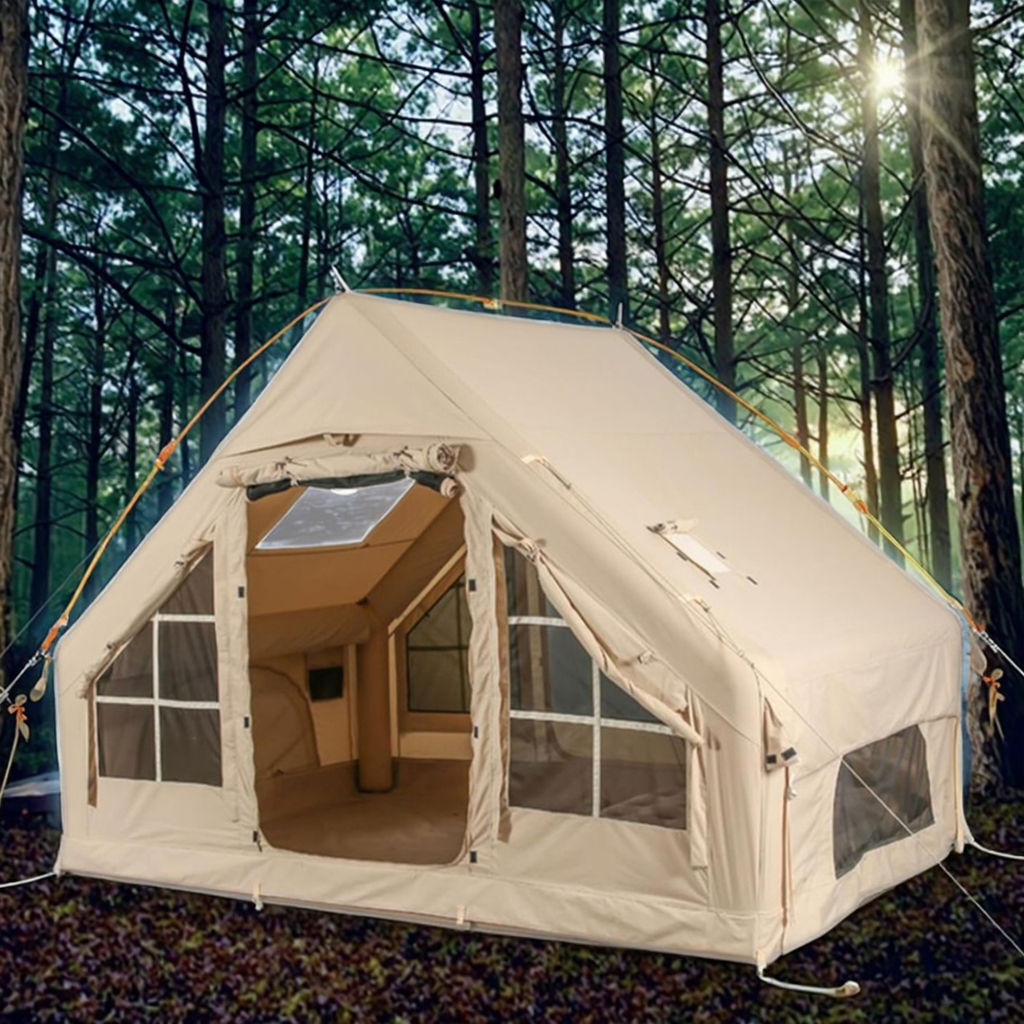
Double-wall tents use an inner body plus a separate rainfly. They handle condensation well and are easy for most trips. Single-wall tents save weight. But they need careful venting and can feel damp in cold rain.
- Freestanding: Easy to pitch and move before staking. Great on rock or platforms.
- Semi-freestanding: Needs a few stakes. Lighter than many full frames.
- Trekking-pole tents: Ultralight, fast, and strong when pitched right. They take practice.
- Shape: Low, rounded profiles shed wind and rain. Sharp angles collect splash.
For How To Choose A Waterproof Tent For Outdoor Adventures?, pick a layout that fits your weather and skill. If you camp in humid places, a double-wall is forgiving.

Source: amazon.com
Size, Shape, And Livability
You need space to sleep, sit, and store. Tight space causes contact with wet walls. That leads to damp bags.
- Interior length: At least 84 inches for tall folks. More if you use a thick pad.
- Peak height: 38–45 inches feels good for two-person tents. You can sit up and change.
- Vestibules: They protect doors and gear. Two doors keep you from climbing over a partner.
- Rain path: Doors should not drip into the tent when you enter.
When I teach How To Choose A Waterproof Tent For Outdoor Adventures?, I say this: comfort is part of waterproofing. If you brush the fly all night, you will get wet from condensation.
Source: alibaba.com
Season Ratings And Weather Scenarios
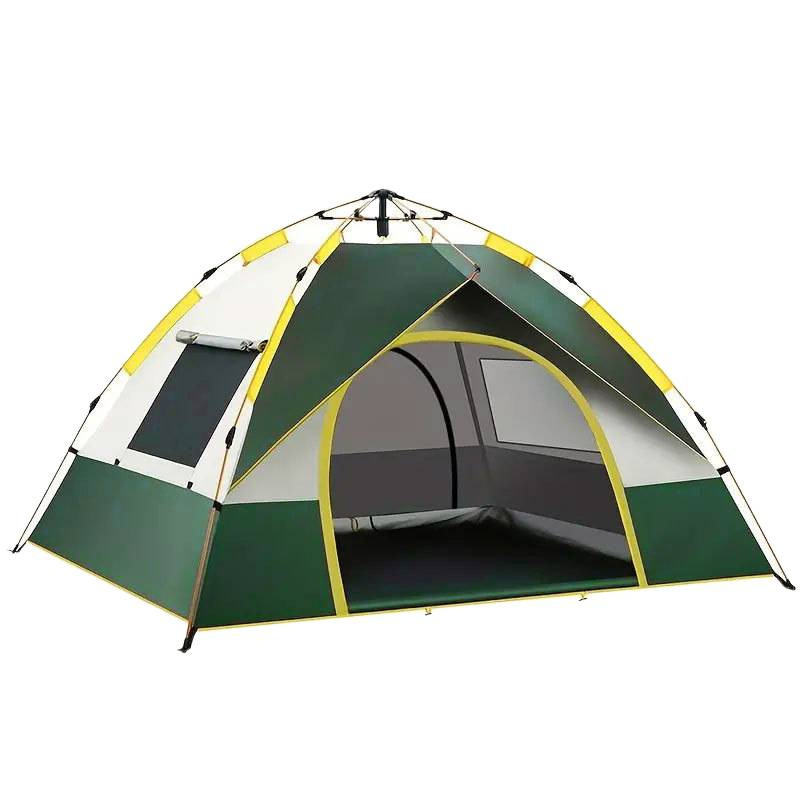
Three-season tents handle spring, summer, and fall. They focus on rain and moderate wind. Four-season tents add strength and snow load support. They have fewer mesh panels, stronger poles, and stout fabrics.
- 3-season: Best for most hikers. Good vents. Lighter weight.
- 3+ or shoulder-season: Stronger poles and fabric for wind and cold rain.
- 4-season: For snow, strong wind, and alpine use. Heavy but solid.
Think about your worst likely weather, not your best. That is the heart of How To Choose A Waterproof Tent For Outdoor Adventures?.

Source: amazon.com
Weight, Packability, And Durability Trade-offs
Light gear is nice. But every gram you cut can cost strength. Pick the right balance for your trip, body, and terrain.
- Poles: Aluminum beats fiberglass for strength and lifespan. Carbon can be light and stiff, but treat it with care.
- Fabrics: DCF is light and waterproof. It can puncture on a sharp rock. Nylon is strong and cheaper. Polyester sags less when wet.
- Packed size: Smaller is easier to pack on bikes and small packs.
How to Choose A Waterproof Tent for Outdoor Adventures is also about trade-offs. Do not chase the lightest model if you camp in storms and on rough ground.
Source: alibaba.com
Pitching Skills And Site Selection
A great tent can fail in a bad spot. Good sites keep you dry before the first drop falls.
- Ground: Choose high, flat spots. Avoid gullies and depressions.
- Wind: Face a small end into the wind. Use all guy lines.
- Tension: Tight fly, solid stakes, and sharp angles. Keep the fly off the inner body.
- Footprint: Use a footprint that is a little smaller than the floor. No water should collect between layers.
I have seen perfect tents flood on poor pitches. How To Choose A Waterproof Tent For Outdoor Adventures? includes learning a fast, tight pitch.

Source: walmart.com
Budget, Value, And What To Skip
Price does not always equal dry. But there are red flags.
- Spend on: Seam quality, strong poles, solid floor fabric, and full-coverage fly.
- Skip: Super cheap fiberglass poles, partial rainflies, and vague “waterproof” claims without HH numbers.
- Think long-term: A reliable tent saves trips and money over time.
When people ask me How To Choose A Waterproof Tent For Outdoor Adventures?, I say buy the best seams and fly you can afford. You can update stakes later.
Care, Maintenance, And Reproofing
Even the best tent needs care. Store it dry. Clean dirt from zippers. Renew coatings when needed.
- Drying: Air-dry after each trip. Mildew kills fabrics and coatings.
- DWR: Refresh the water-repellent finish with a wash-in or spray when water stops beading.
- Seam checks: Reseal peeling tape or seams. Test with a garden hose on low.
Sustaining performance is part of How To Choose A Waterproof Tent For Outdoor Adventures?. Care turns a good tent into a great long-term partner.
Field-Test Checklist Before Your Trip
Do a shakedown in your yard or a park. Find problems before the storm finds you.
- Pitch at home: Set up fast, in daylight and in the dark with a headlamp.
- Hose test: Gentle spray for 10–15 minutes. Look for drips and wicking.
- Stake and guyline drill: Use every point. Learn knots or line-locks.
- Door test: Enter and exit without letting rain fall inside.
- Sleep test: Lie down with your pad and bag. Check wall contact and space.
- Pack test: Split the load between partners. Confirm weight and volume.
Practice makes waterproof. It also builds calm when the sky opens. That is a core step in How To Choose A Waterproof Tent For Outdoor Adventures?.
Frequently Asked Questions on How To Choose A Waterproof Tent For Outdoor Adventures
What hydrostatic head rating should I look for?
Aim for 1500–3000 mm for the rainfly and 3000–5000 mm for the floor. Go higher if you expect long, hard rain or wet ground.
Do I need a footprint?
A footprint protects the floor from abrasion and sharp objects. Use one slightly smaller than the tent floor so water does not collect between layers.
How do I stop condensation inside my tent?
Vent early and often. Crack doors or vents, keep the fly tensioned off the inner, and avoid camping right next to water if possible.
Are trekking-pole tents waterproof?
Yes, if built well and pitched tightly. They need more skill to set angles and manage vents, but they can be very storm-worthy.
Can I reproof an old tent?
Yes. Clean the fabric, renew DWR, and reseal seams. If the coating peels badly, you may need a full recoat kit or a replacement.
Conclusion
Choosing a dry tent is simple when you follow a plan. Check fabric ratings, inspect seams, pick the right design, and practice your pitch. Match the tent to your weather and your skills. That is how you master How To Choose A Waterproof Tent For Outdoor Adventures?.
Get out and test your setup this week, even if it is just in your yard. Small steps now mean big comfort on the trail. Want more trail-proven tips? Subscribe, share your questions, or drop a comment with your camp goals.





One Comment