Learn How To Prevent Condensation In Tent with practical tips for better airflow, smart campsite selection, moisture control, and a dry sleeping area. Prevent tent condensation by keeping ventilation openings clear, choosing a dry campsite, reducing indoor moisture, and creating enough space between the rainfly and tent body
These steps reduce moisture buildup and help keep your sleeping area dry.
Camping trips across the United States can bring many weather changes. You might enjoy a warm afternoon in a national forest, then wake up to cold air and water droplets inside your tent. This moisture is often condensation rather than a leak. It can make sleeping bags, clothes, and other camping gear damp.
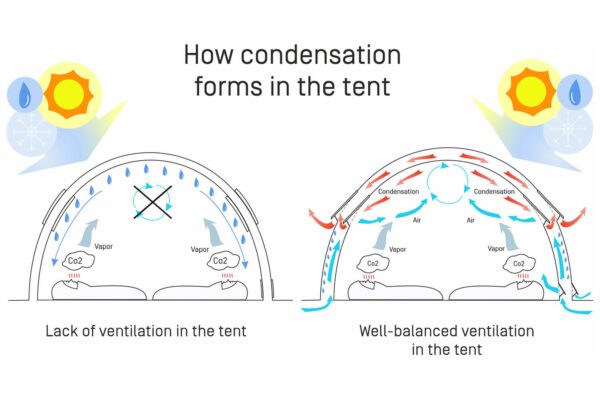
Tent condensation forms when warm, moist air meets a cooler surface. Breathing, wet clothing, damp soil, and humid weather can all add moisture to the air inside a shelter. When temperatures drop at night, water vapor can turn into small droplets on the rainfly and tent walls.
The best way to prevent condensation in a tent is to improve airflow while limiting extra moisture. Choose a suitable campsite, open the available vents, pitch the rainfly correctly, and keep wet gear outside your sleeping area. You may not stop every drop from forming, but these steps can greatly reduce moisture buildup.
This guide explains why condensation happens, how to prevent it before bedtime, and what to do when you find water inside your tent in the morning. It also covers rainy weather, cold nights, single-wall tents, and common mistakes that can make the problem worse.
How To Prevent Condensation In Tent?
How To Prevent Condensation In Tent
Source: leonardhomeoutdoor.com
What Is Tent Condensation?
Tent condensation is water that forms when moisture in the air touches a surface that is cool enough for water vapor to change into liquid droplets. You may see it on the underside of a rainfly, along the tent walls, or near the ceiling. It often appears during the night or early morning when outdoor temperatures fall.
A tent does not need a hole or damaged waterproof coating to become wet inside. Even a well-made waterproof shelter can collect condensation because its rainfly and outer walls can become cooler than the air inside. The waterproof layer also limits how easily moisture can escape.
Every camper adds moisture to the tent through breathing and natural skin evaporation. Wet ground, damp clothing, and humid outdoor air add more. When airflow is poor, this moisture can build up until droplets form on cold surfaces.
How To Prevent Condensation In Tent?
How To Prevent Condensation In Tent
Source: pfbereg.com
Warm air
Warm air inside the tent can hold water vapor from breathing and other moisture sources.
Cold surfaces
The rainfly and outer tent walls may cool during the night, causing moisture in the air to form droplets.
Poor ventilation
Limited airflow traps humid air and gives moisture more time to collect inside the shelter.
Is Tent Condensation Normal?
Yes. Some condensation is normal, even when you use a high-quality tent and pitch it correctly. Cold nights, high humidity, and rainy weather can make moisture buildup difficult to avoid.
The goal is not always to create a completely dry rainfly. Instead, focus on keeping water away from your sleeping bag, clothing, and other essential gear. Good ventilation and moisture control can make a major difference.
Normal sign
Small droplets on the underside of the rainfly after a cold night can be normal.
Warning sign
Water entering through damaged seams, holes, or worn waterproof coatings may indicate a separate leak problem.
Why Does Condensation Build Up Inside A Tent?
Condensation develops when several moisture sources combine with cool surfaces and limited airflow. Understanding these causes helps you choose the right prevention method. A tent in a humid forest may need different care from one pitched on dry ground in a cold mountain area.
Weather is one of the main factors. Rain, high humidity, and sudden temperature drops can increase the amount of moisture in and around your shelter. Your camping habits also matter because people, pets, wet clothing, and cooking can add water vapor to a small enclosed space.
How To Prevent Condensation In Tent?
Breathing and sweating
Campers release moisture while sleeping. Several people sharing a small tent can add more water vapor to the same limited space.
Wet ground
Damp soil, wet grass, and standing water can increase local humidity around the tent.
Cold rainfly surfaces and humid outdoor air can create conditions that favor condensation.
Wet camping equipment
Rain jackets, boots, towels, and damp sleeping gear can release moisture inside the shelter.
Poor airflow
Closed vents and tightly sealed openings can prevent humid air from escaping.
How Does Temperature Affect Tent Condensation?
Temperature changes play a major role in condensation. During the day, the air inside your tent may become warm. At night, the rainfly can cool as outdoor temperatures fall. When moist air reaches a surface below its dew point, water droplets form.
The dew point is the temperature at which air becomes saturated with water vapor. You cannot control the outdoor temperature, but you can reduce indoor moisture and improve ventilation. This helps limit the amount of water available to collect on cold surfaces.
Warm afternoon
The tent may hold warm, moist air after a sunny day.
Cool evening
The outer fabric loses heat as the surrounding air cools.
Early morning
Water droplets may appear when humid air touches the cold rainfly.
12 Practical Ways To Prevent Condensation In A Tent
The most effective approach combines campsite selection, proper tent setup, and moisture control. Do not rely on just one trick. A vent can help, but its benefits may be limited if you pitch over wet grass and bring soaked clothes inside.
Use the following methods before and during your camping trip. Adjust them to your tent design, weather, and campsite conditions.
How To Prevent Condensation In Tent
Source: api-prod.cc.mitre10.co.nz
1. Choose A Dry And Suitable Campsite
Start by choosing a campsite with good drainage and limited ground moisture. Higher, dry ground is often a better option than a low area where cool air and damp conditions can collect. Avoid spots near puddles, marshes, and other sources of standing water.
A location with a gentle breeze can also help move humid air away from your tent. However, avoid exposed areas where strong winds or severe weather could create a safety risk. Check the forecast and follow the rules of your campground before selecting a site.
How To Prevent Condensation In Tent?
Look for dry soil
Choose firm ground without standing water, soggy grass, or signs of poor drainage.
Avoid low spots
Do not pitch in natural drainage channels or depressions where rainwater may collect.
Use safe tree cover
Light shelter from trees may reduce exposure, but never pitch beneath dead branches or unstable trees.
Stay away from water edges
Where practical, camp away from lakes, streams, and marshy areas that may have higher local humidity.
2. Open Tent Vents Before Going To Sleep
Ventilation is one of the most useful ways to reduce tent condensation. Open the built-in roof vents, side vents, and other weather-protected openings your tent provides. This allows humid air to leave while fresh outdoor air enters.
If your tent has vents at different heights, use them together. Lower openings can let cooler air enter while upper openings allow warmer, moist air to escape. This creates natural airflow without requiring an electric fan.
Keep openings protected from direct rain. Follow the tent manufacturer’s instructions because some designs use special vent flaps or rainfly adjustments to maintain airflow during bad weather.
How To Prevent Condensation In Tent?
Open two vents
Use two separate ventilation points when the tent design and weather allow it.
Clear blocked openings
Keep bags, sleeping pads, and other gear away from ventilation areas.
Maintain airflow
Do not close every opening simply because the outdoor temperature drops.
3. Pitch The Rainfly With Enough Space
A properly positioned rainfly creates a useful air gap between the outer waterproof layer and the inner tent body. This space helps air move through the shelter and reduces direct contact between damp outer fabric and the inner sleeping area.
Stake the rainfly according to the tent manufacturer’s instructions. Tighten the guy lines evenly so the fly remains stable and does not sag against the inner tent. A loose fly may flap in the wind, while an incorrectly adjusted fly may block vents or reduce airflow.
Check the setup from every side before going to bed. Make sure the rainfly is not touching the inner mesh or fabric and that the drainage path around the shelter remains clear.
How To Prevent Condensation In Tent?
Use all required stakes
Secure the corners and rainfly attachment points as directed by the manufacturer.
Keep the fly taut
Adjust guy lines to prevent sagging and unwanted contact with the inner tent.
Check the air gap
Make sure the rainfly has enough clearance for airflow.
4. Keep Wet Clothes And Shoes Outside
Wet clothing can add a large amount of moisture to a small tent. Rain jackets, muddy boots, damp socks, and wet towels may continue releasing water vapor after you bring them inside. This can make condensation worse during the night.
Use a vestibule, covered porch, or separate gear shelter for wet equipment. Keep the sleeping area reserved for dry clothing and essential items. If the weather is too severe to leave gear outside, store it in a sealed waterproof bag or suitable dry bag.
Do not place wet equipment against the tent walls. This can transfer moisture to the fabric and reduce the dry space available for sleeping.
Store wet boots outside
Keep muddy and damp footwear in the vestibule or another protected storage area.
Use waterproof bags
Separate wet clothing from sleeping bags and dry clothes.
Change before sleeping
Wear dry sleepwear instead of staying in damp hiking clothes.
5. Never Cook Inside Your Tent
Cooking inside a tent adds moisture to the air and creates a serious fire and carbon monoxide hazard. Fuel-burning stoves release combustion gases, and carbon monoxide can be deadly because it has no color or smell.
Always cook outside in a suitable, well-ventilated area, following the stove manufacturer’s instructions and campground fire rules. Keep flames away from tents, dry vegetation, and other combustible materials.
A covered outdoor cooking area may help in light rain, but it must be safely separated from the tent and properly ventilated. Never use a stove inside a sleeping tent to reduce condensation or stay warm.
How To Prevent Condensation In Tent?
Cook outdoors
Use a designated cooking area or a safe outdoor location.
Keep fuel devices outside
Never operate camping stoves or fuel-burning heaters inside an enclosed tent.
Follow fire restrictions
Check local campground and land-management rules before using a stove or fire.
How To Prevent Condensation In Tent
6. Avoid Pitching Directly Over Wet Grass
Wet grass and damp soil can release moisture into the air, especially as temperatures change overnight. A tent pitched directly over a soggy surface may experience more condensation than one placed on suitable, dry ground.
Look for an established campsite with good drainage. A properly sized groundsheet or footprint can protect the tent floor from abrasion and ground moisture. However, the footprintshould remain beneath the tent floor rather than extending beyond its edges, where it could collect rainwater.
Do not damage vegetation or dig trenches to improve drainage. Choose a suitable existing campsite instead and follow Leave No Trace principles.
How To Prevent Condensation In Tent?
Inspect the surface
Avoid muddy patches, standing water, and visibly saturated soil.
Use a suitable footprint
Place the groundsheet beneath the tent and keep its edges within the floor outline.
Check drainage
Make sure water can flow away from the tent during rain.
7. Avoid Touching The Tent Walls
Keep sleeping bags, clothing, backpacks, and other equipment away from the tent walls. When an item presses against a wet inner surface, it can pick up water and become damp.
This is especially important in small backpacking tents where space is limited. Organize your gear before going to sleep and leave enough room for your sleeping bag to stay clear of the walls.
If you notice water droplets on the inside, gently wipe them away with an absorbent cloth. This removes surface moisture without requiring you to press hard against the fabric.
How To Prevent Condensation In Tent?
Create clear sleeping space
Position sleeping bags and pads away from the walls whenever possible.
Store equipment carefully
Use designated pockets and gear storage areas instead of leaning bags against the tent.
8. Reduce The Number Of People In A Small Tent
Every person sleeping inside a tent adds moisture through breathing and normal body evaporation. When several people share a small shelter, the humidity can rise faster because the available air volume is limited.
Choose a tent with enough room for the number of campers and their essential gear. A slightly larger shelter may provide more space and make it easier to organize sleeping areas without blocking vents.
Do not exceed the tent’s safe capacity or block ventilation openings to fit extra people. Good airflow matters more than squeezing everyone into the smallest possible shelter.
How To Prevent Condensation In Tent?
Choose suitable capacity
Select a tent that provides adequate sleeping and gear space for your group.
Keep vents clear
Arrange sleeping positions so bodies and bedding do not cover airflow openings.
9. Use A Double-Wall Tent When Appropriate
A double-wall tent has an inner tent body and a separate rainfly. This design creates an air space between the two layers and helps keep moisture on the underside of the outer fly rather than directly in the sleeping area.
Many backpacking tents use mesh inner panels to support airflow. The separate rainfly also provides protection from rain while allowing the inner structure to remain less exposed to direct moisture.
A double-wall design does not eliminate condensation. The outer fly can still become wet, and poor ventilation can allow moisture to build up. However, this design may be a practical option for campers who often travel in cold or humid conditions.
Inner tent
Provides the main sleeping area and may include mesh panels for airflow.
Outer rainfly
Protects against rain and creates separation between the sleeping area and the outer surface.
Air gap
Provides space for air to move between the inner tent and the rainfly.
How To Prevent Condensation In Tent
10. Keep Pets And Wet Gear Organized
Pets can bring extra moisture into a tent through wet fur, muddy paws, and damp bedding. Their movement may also cause contact with tent walls, spreading water across the sleeping area.
If you camp with a dog, dry its coat and paws before bedtime. Use a separate sleeping mat and keep wet towels or muddy gear in a protected vestibule. Make sure your pet has enough room without blocking the vents.
The same principle applies to camping equipment. Keep wet backpacks, fishing gear, and rain-soaked supplies away from dry bedding.
How To Prevent Condensation In Tent?
Dry pets first
Remove excess water and mud before allowing pets into the sleeping area.
Use separate bedding
Give pets a suitable mat that can be kept away from the tent walls.
Separate wet supplies
Use covered outdoor storage or waterproof bags for damp equipment.
11. Wipe Away Condensation Before It Drips
Sometimes the weather makes condensation difficult to avoid. When droplets form on the inside of your tent, use a clean microfiber towel or absorbent camping cloth to remove them. This is a simple way to stop accumulated water from dripping onto sleeping bags and clothing.
Wipe gently and collect the water in the cloth. Keep the cloth separate from your dry bedding, and wring it out in a suitable outdoor location when conditions allow.
Continue using the tent vents while removing moisture. Wiping the walls treats the water that has already formed, while ventilation helps reduce further buildup.
How To Prevent Condensation In Tent?
Carry a small towel
Choose a compact absorbent cloth that is easy to store in your camping kit.
Wipe gently
Remove droplets without pulling, scraping, or damaging the tent fabric.
Keep bedding dry
Move sleeping bags and clothes away from areas where water is collecting.
12. Dry Your Tent After Every Camping Trip
Drying your tent after a trip is essential for long-term care. Even when you pack it in apparently dry weather, small amounts of moisture may remain in the seams, floor, and folded fabric.
When you return home, open the tent and hang it in a dry, well-ventilated place. Allow the inner body, rainfly, floor, and storage pockets to dry fully before packing everything away.
Never store a wet tent in a closed stuff sack for a long period. Trapped moisture can encourage mold and mildew, create unpleasant odors, and damage some tent materials.
Unpack promptly
Remove the tent from its stuff sack after returning from your trip.
Air out every part
Open doors and vents and separate the rainfly from the tent body.
Store when fully dry
Keep the tent in a cool, dry place according to the manufacturer’s storage guidance.
How To Prevent Condensation In A Tent During Rain
Rainy weather makes condensation control more difficult because the outside air is often humid and the rainfly becomes wet. However, closing every vent is not always the best response. A tent still needs fresh air to replace the warm, moist air inside.
Keep weather-protected vents open and maintain a safe gap between the rainfly and inner tent. Check that the fly is properly secured and that water runs away from the shelter. Use the vestibule for wet boots and rain gear instead of placing them beside your sleeping bag.
If rain is blowing directly into an opening, adjust the protected vent or close that opening as needed. Look for another vent that can remain open without allowing water inside. The aim is to balance weather protection with airflow.
How To Prevent Condensation In Tent?
How To Prevent Condensation In Tent
Source: i.pinimg.com
Keep protected vents open
Use ventilation points designed to remain open during rain.
Check rainfly tension
Remove sagging areas that may touch the inner tent or collect water.
Use a vestibule
Keep wet equipment outside the main sleeping compartment.
Monitor drainage
Make sure rainwater does not flow beneath the tent or collect around its floor.
Should You Close All Tent Vents When It Rains?
No. Closing every vent can trap humid air and increase condensation. Instead, use vents that are protected from direct rainfall and follow the instructions for your tent model.
If wind-driven rain enters a vent, adjust that opening and use another suitable ventilation point. Never assume that a fully sealed tent will remain dry because moisture from breathing and other sources can still collect inside.
Good approach
Keep at least one or more protected ventilation paths available when conditions permit.
Poor approach
Seal every opening for the entire night without considering moisture buildup.
How To Prevent Condensation In A Tent In Cold Weather?
Cold-weather camping requires a balance between warmth, ventilation, and moisture control. Closing every opening may seem like a good way to keep heat inside, but it can also trap humid air. When that air touches a cold rainfly, condensation may form.
Keep the tent vents open as much as the weather and tent design allow. Use a sleeping bag with a temperature rating suitable for the expected conditions, and wear dry layers to stay comfortable. Avoid using unapproved heaters or fuel-burning devices inside the shelter.
A suitable double-wall tent can help keep the wet outer surface separate from the sleeping area. However, you still need to clear vents and keep the rainfly correctly pitched.
How To Prevent Condensation In Tent?
How To Prevent Condensation In Tent
Source: campingattitude.com
Use suitable sleeping insulation
Choose a sleeping bag and pad that match the expected nighttime temperatures.
Maintain airflow
Keep weather-protected ventilation points open instead of sealing the entire shelter.
Wear dry sleepwear
Change out of damp hiking clothes before entering your sleeping bag.
Keep heaters outside
Never use a fuel-burning heaterinside an enclosed sleeping tent unless a specific system is explicitly designed and approved for that exact use. Follow all manufacturer safety instructions.
Does A Hot Tent Prevent Condensation?
A hot tent does not automatically prevent condensation. Heating can change the temperature of the tent interior, but moisture from breathing, wet gear, and other sources remains present.
Some hot tents use a stove system with a properly designed chimney and suitable ventilation. These systems require careful setup, manufacturer-approved components, and strict fire and carbon monoxide precautions. Never improvise a stove installation or use an ordinary camping stove as an indoor heater.
Check the design
Use only a tent and stove combination designed for the intended heating system.
Maintain ventilation
Follow the required ventilation and operating instructions.
How To Tell The Difference Between Tent Condensation And A Leak
Water inside a tent does not always mean the rainfly is leaking. Condensation often appears as small droplets spread across a large area, especially on the underside of the rainfly. A leak is more likely when water enters through one damaged seam, hole, or specific section of fabric.
The distinction matters because each problem needs a different solution. Ventilation and moisture control help with condensation, while damaged waterproof layers and seams may need repair. Check the location and pattern of the water before applying a treatment or replacing equipment.
How To Prevent Condensation In Tent?
How To Prevent Condensation In Tent
Source: weekndwarrior.com
Condensation pattern
Small droplets appear across broad sections of the inner rainfly surface, often after a cold or humid night.
Possible leak pattern
Water repeatedly enters through one seam, damaged area, or specific point during rainfall.
Ground moisture
Water beneath the tent may come from poor drainage, a wet footprint, or a damaged floor.
Contact moisture
A sleeping bag or backpack touching a wet tent wall may become damp even when the fabric is not leaking.
What Should You Do If Your Tent Still Gets Wet?
First, move sleeping bags, clothing, and other important gear away from the wet area. Remove visible droplets with an absorbent towel and check whether the moisture appears across the rainfly or near one specific seam.
Next, inspect the rainfly tension, ventilation openings, and ground conditions. If the moisture appears to come from a damaged area, test and repair the tent according to the manufacturer’s care instructions.
Avoid applying random waterproofing products before identifying the problem. Some treatments are intended for specific fabrics and coatings, and an unsuitable product may affect tent performance.
Inspect seams
Look for damaged stitching, worn seam tape, and visible gaps.
Check the fabric
Look for holes, tears, worn coatings, and damaged waterproof layers.
Review the setup
Confirm that the fly is correctly positioned and that vents are working as intended.
Tent Condensation Prevention Checklist Before Bed
A short check before bedtime can help you catch problems before moisture builds up overnight. Inspect the campsite, tent setup, and gear storage area. Make sure you have not blocked the vents while arranging sleeping bags and backpacks.
Use this checklist whenever you set up camp, especially before a cold, wet, or humid night.
How To Prevent Condensation In Tent?
Campsite
The tent is on suitable ground with good drainage and no nearby standing water.
Rainfly
The fly is secure, properly tensioned, and separated from the inner tent.
Ventilation
Weather-protected vents and suitable openings are clear.
Wet equipment
Wet boots, jackets, towels, and other damp items are stored outside the sleeping area.
Cooking equipment
All cooking and fuel-burning devices are outside the sleeping tent.
Sleeping area
Sleeping bags and clothing are not pressed against the tent walls.
Weather
The tent setup is suitable for the expected wind, rain, and temperature.
Emergency access
Doors and exits remain easy to access, and essential equipment is within reach.
What To Do When You Wake Up To A Wet Tent
Do not immediately assume your tent has failed. Check whether the water is on the underside of the rainfly, on the inner tent walls, or coming through the floor or seams. This first inspection can help identify the likely cause.
Wipe away droplets, protect your sleeping bag, and open the available vents when weather permits. If you have time before packing, allow the rainfly and inner tent to air out. If you must pack while the tent is wet, dry it fully as soon as you reach a suitable place.
Remove visible moisture
Use a clean absorbent cloth to wipe wet surfaces.
Protect sleeping gear
Pack damp items separately and keep dry clothing in waterproof storage.
Dry after the trip
Hang the tent in a ventilated location until every part is completely dry.
How To Prevent Condensation In Tent
Common Mistakes That Make Tent Condensation Worse
Some camping habits increase moisture even when the tent itself is in good condition. The most common mistake is treating ventilation as optional. Campers may also bring wet equipment inside or choose a damp campsite without considering how much moisture the ground can add.
Avoid the following mistakes to make your condensation prevention routine more effective.
How To Prevent Condensation In Tent?
Closing every vent
This can trap humid air and increase the chance of droplets forming on cold surfaces.
Pitching in low ground
Low areas may collect rainwater and cool, damp air.
Drying wet clothes inside
Damp clothing releases moisture into the enclosed sleeping area.
Cooking inside the shelter
Cooking adds moisture and introduces serious fire and carbon monoxide risks.
Allowing the rainfly to sag
Poor tension can reduce airflow and cause the outer fabric to touch the inner tent.
Packing a wet tent for long-term storage
Trapped moisture can lead to mold, mildew, and unpleasant odors.
Ignoring the tent instructions
Different tent designs have different ventilation systems, pitching requirements, and care needs.
Frequently Asked Questions on How To Prevent Condensation In Tent
Q
How Do I Stop Condensation In My Tent At Night?
Open suitable tent vents, keep wet equipment outside, and make sure the rainfly is properly pitched. Choose dry ground and leave enough space between the rainfly and inner tent. These steps help humid air escape and reduce moisture buildup while you sleep.
Q
Does A Tent Footprint Help Prevent Condensation?
A footprint mainly protects the tent floor from abrasion, dirt, and ground moisture. It does not directly remove water vapor from the air inside your tent. Use a footprint that fits beneath the tent floor and focus on ventilation to control condensation.
Q
Should I Leave My Tent Door Open At Night?
You can leave a door partly open when the weather, insect conditions, and campsite safety allow it. However, you do not need to leave the entire door open if your tent has suitable ventilation vents. Protected openings can provide airflow while helping keep rain and insects outside.
Q
Can A Fan Prevent Tent Condensation?
A small battery-powered fan can improve air movement inside a tent, but it does not remove moisture by itself. Its usefulness depends on whether humid air can escape through the tent vents. Passive cross-ventilation is often enough when the shelter is pitched correctly.
Q
Do Single-Wall Tents Have More Condensation?
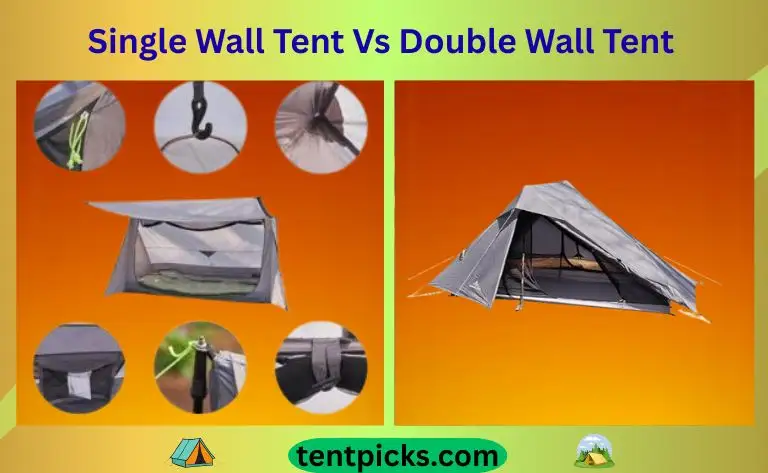
Single-wall tents can be more challenging to manage because the waterproof outer surface is also part of the interior sleeping space. There is no separate rainfly air gap to keep the wet outer layer away from the occupants. Choose a model with suitable ventilation and keep sleeping bags and clothing away from the walls.
Q
Does A Waterproof Tent Prevent Condensation?
No. Waterproof fabric protects against outside rain, but it does not prevent water vapor from forming droplets on cool surfaces. A waterproof tent can still develop condensation during cold, humid, or rainy conditions. Ventilation and moisture control remain necessary.
Q
Why Is My Tent Wet Inside But Not Leaking?
The most likely cause is condensation. Moist air from breathing, wet gear, and damp ground can collect on the cooler inner surface of the rainfly. Look for widespread droplets rather than water entering through one damaged seam or hole.
Q
Can Two People Cause More Condensation In A Tent?
Yes. Two people release more moisture through breathing and normal body evaporation than one person. In a small tent, this moisture can build up faster, especially when ventilation is limited. Use a tent with suitable capacity and keep its ventilation openings clear.
Q
Should I Use A Dehumidifier Inside A Camping Tent?
A household dehumidifier is usually impractical for ordinary camping because it needs a suitable power source and takes up valuable space. Focus on ventilation, dry gear storage, and good campsite selection instead. A small absorbent towel is more useful for removing droplets that have already formed.
Q
How Do I Keep My Sleeping Bag Dry From Tent Condensation?
Keep your sleeping bag away from the tent walls and avoid placing it beneath areas where water droplets collect. Use a suitable sleeping bag liner or waterproof storage sack when needed. Improve ventilation and remove visible moisture before it drips onto your bedding.
✦ Wrapping Up
Conclusion
Learning how to prevent condensation in a tent can make camping more comfortable in many weather conditions. Although you cannot control outdoor humidity or nighttime temperatures, you can control several factors that affect moisture buildup. Good ventilation, a dry campsite, proper rainfly placement, and careful gear storage are the most useful starting points.
Before going to sleep, open suitable vents, check the rainfly, and move wet clothing and footwear outside the sleeping area. Avoid cooking inside the tent and keep your sleeping bag away from damp walls. If droplets still appear, remove them with an absorbent cloth and continue improving airflow when the weather allows.
Remember that a little condensation does not always mean your tent is damaged. A well-maintained shelter can still collect moisture during cold or humid nights. The key is to manage that moisture, protect your sleeping equipment, and dry the tent fully after every trip.
💡 Key Takeaway
Before your next camping trip, check your tent’s ventilation system, pack a small microfiber towel, and practice pitching the rainfly correctly. At camp, choose dry ground, keep wet gear outside, and leave suitable vents open overnight. These simple habits can help you enjoy a drier and more comfortable camping experience.
Car Camping Vs Tent Camping compared, with pros, cons, gear tips, and budgets so you pick the best adventure. Get expert tips for comfort, safety, and fun.
How To Stay Dry In A Tent When It’s Raining? Discover practical tips, gear recommendations, and proven strategies to keep your tent waterproof, comfortable, and dry during any camping trip. I have camped through week-long storms, mountain squalls, and humid summer downpours. I’ve learned what keeps you dry, and what soaks you fast. In this…
Is It Warmer To Sleep In A Tent Or A Car? Get tips, bust heat-loss myths, and choose the right gear to sleep safer, drier, and warmer on your next trip.
Compare warmth, weight, and weather protection in Single Wall Tent Vs Double Wall Tent. See when to choose each, plus tips for backpackers and alpinists.