

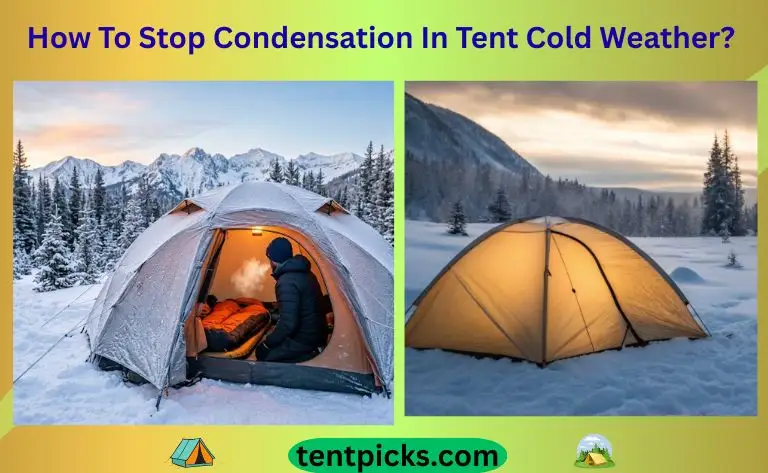
How To Stop Condensation In Tent Cold Weather?
Stop waking to a soaked tent. How To Stop Condensation In Tent Cold Weather? Learn proven venting, gear, and setup tips to stay warm, dry, and comfy. Ventilate well, keep wet gear out, insulate, and use double-wall tents. Cold nights make moisture hard to manage, but the fix is simple once you know the cause.
In this guide, I break down How To Stop Condensation In Tent Cold Weather. With field-tested steps, clear science, and gear tips you can trust. I have camped through snow, sleet, and subzero nights, and I will show you how to keep your shelter dry, warm, and safe—without guesswork.
Source: seatosummit.com
What Is Tent Condensation? Why It Happens
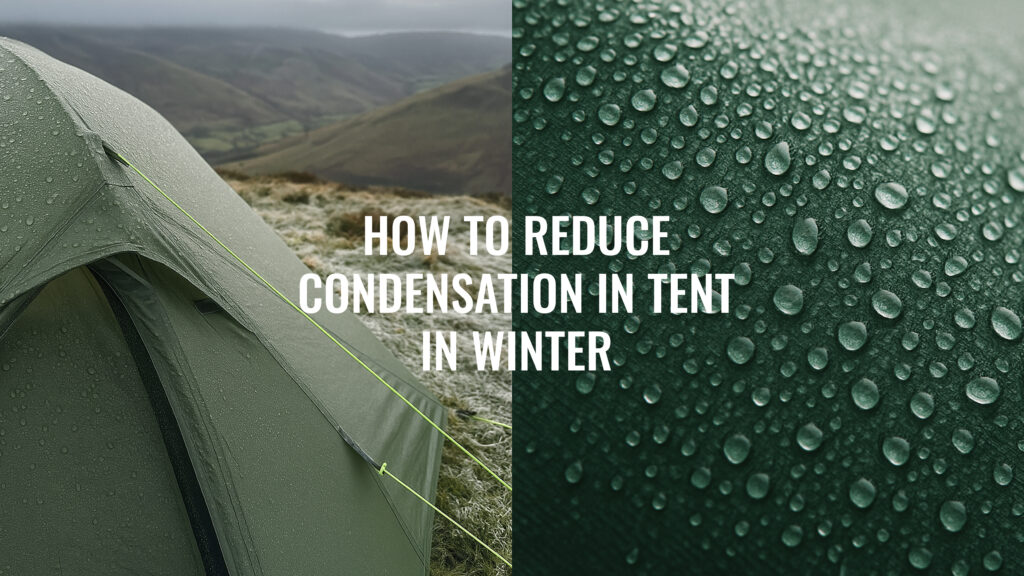
Condensation is water vapor turning into liquid when warm, wet air hits a cold surface. Your breath, sweat, wet clothing, and cooking all add water to the air. When that air touches a cold tent wall, it cools past the dew point. Drops form, and it rains inside.
If you want to know How To Stop Condensation In Tent Cold Weather, learn this rule: reduce moisture, increase airflow, and limit cold contact. An adult exhales about one to two pints of water overnight. That alone can soak thin fabric. You cannot delete vapor, but you can move it out before it becomes drops.
Source: campcomfortguide.com
Core Principles To Reduce Moisture In Cold Weather
Think in four parts. Each part is simple, but together they stop drips.
- Ventilation: Move moist air out fast. Open vents high and low to create flow.
- Separation: Avoid touching the fly with your bag or jacket. Use a true inner tent.
- Insulation: Keep the fly a bit warmer. A good pitch and wind block help a lot.
- Moisture control: Stop water from entering. Keep wet gear and snow outside.
When people ask How To Stop Condensation In Tent Cold Weather?, these four parts are the whole plan. Use them every time, and you will see less drip and more comfort.

Source: kingcamp.com
Site Selection And Tent Pitch: Start Dry
A dry camp starts with where you sleep. Cold air sinks. Low basins, creek beds, and snow bowls trap damp air. Pick a spot a little higher and out of fog.
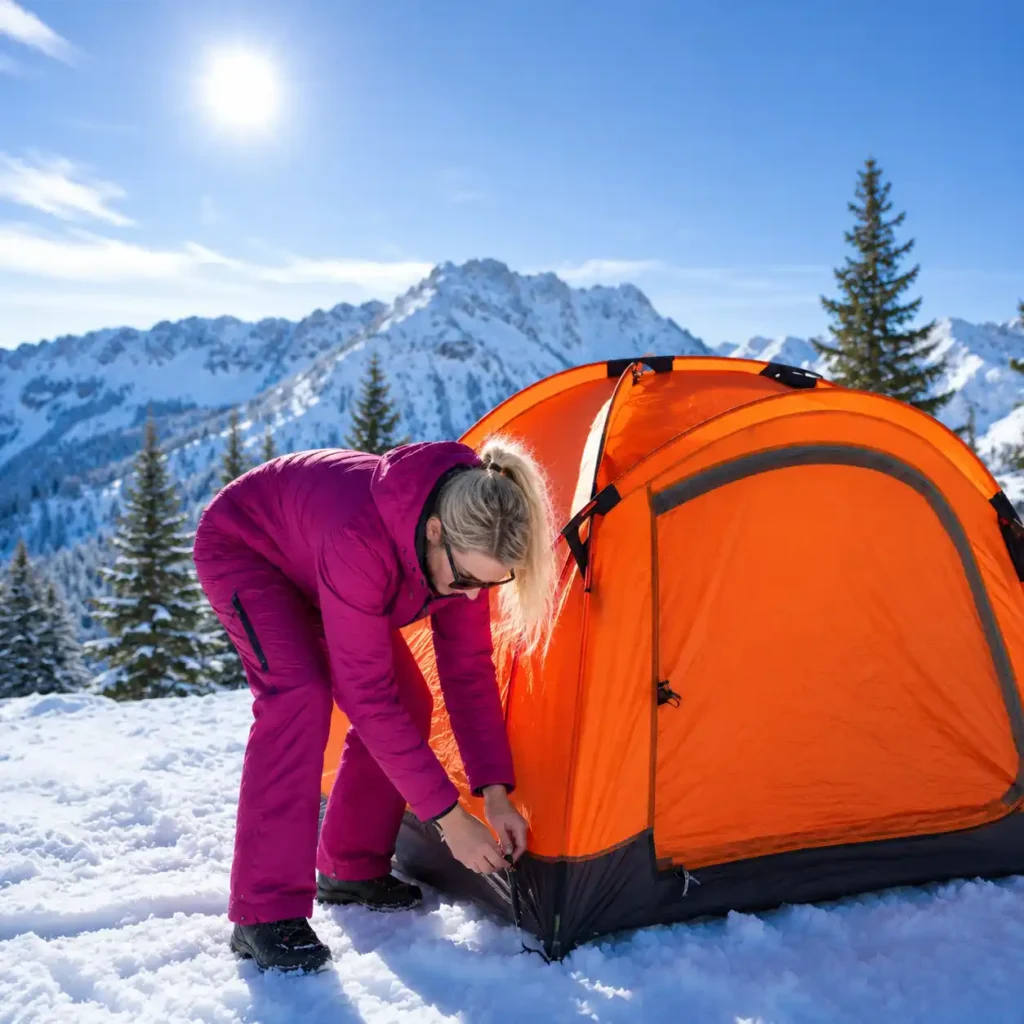
Face a vent toward a light breeze. Do not block all wind with walls of brush or snow. Leave room for air to pass through. Pitch the fly tight and even. A saggy fly holds cold pockets and water.
If you search for How To Stop Condensation In Tent Cold Weather?, the answer starts before you zip the door. A good site and a tight pitch beat any gadget.
Source: co.uk
Ventilation That Works When It’s Freezing
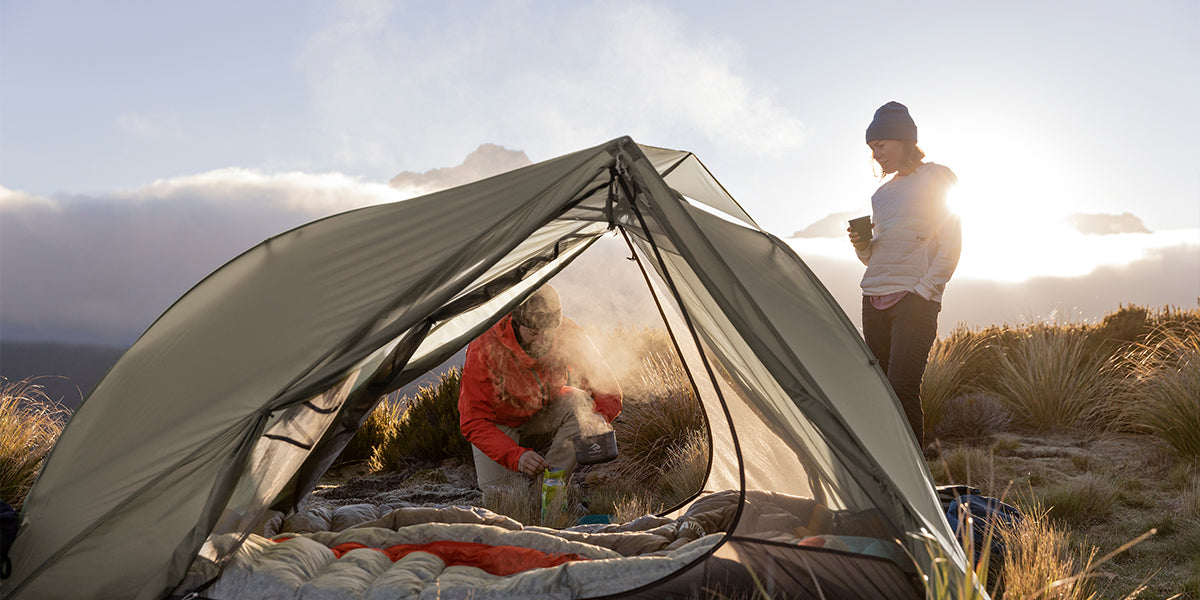
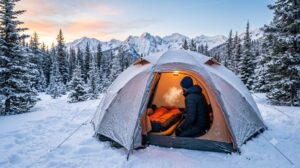
Open vents even when it is very cold. Crack the door high and low. Warm, wet air rises. Cool air enters low and pushes wet air out high. That flow keeps the inner dry.
Use both sides of a double-wall tent. The inner fabric slows drafts but still passes vapor. The fly sheds drops. Leave a gap between inner and fly. That gap is your buffer.
Aim the smaller vent into the breeze. Use a guyline to lift the fly edge a finger’s width. If frost builds anyway, open up more, not less. This is the heart of How To Stop Condensation In Tent Cold Weather?
Manage Moisture Sources Inside The Tent
Small habits make a big change by morning.
- Keep wet gear out. Store boots, shells, and damp packs in the vestibule. Shake off snow first.
- Do not cook inside. Stoves add steam and risk. Boil under a porch or in open air with cover.
- Bag your breath. Use a snug hood, but keep vents open. Avoid burying your face in the bag.
- Seal liquids. Tighten lids on bottles and food. Evaporation adds to the load.
- Keep floors clean. Brush out snow and ice. Even a handful melts and steams all night.
If you want a fast win on How To Stop Condensation In Tent Cold Weather?, start with these habits. They stop the biggest moisture loads at the source.

Source: roofbunk.com
Smart Gear Choices For Cold-Weather Camps
Double-wall tents beat single-wall tents in cold, damp air. The inner helps trap heat while letting vapor pass. The fly catches the drops so they do not mist you.
Choose a fly with decent vents. A footprint helps block ground moisture. A full-length pad with high R-value lifts you off cold ground. A bivy liner inside a bag can hold frost if you still get drip.
You may ask How To Stop Condensation In Tent Cold Weather? without buying new gear. You can. But a sound shelter and pad make each tip work better.

Source: battlbox.com
Night Routine: A Step-By-Step Checklist
Set a simple routine. It takes five minutes and saves your sleep.
- Before bed
- Shake off snow from clothing and boots.
- Open high and low vents a little.
- Stash wet gear in the vestibule.
- Boil water outside. Fill a bottle for heat if needed. Dry the bottle first.
- At lights out
- Keep your bag from touching the fly.
- Loosen the hood so you breathe into open air, not into the bag.
- Overnight
- If frost builds, widen a vent notch.
- Do a quick wipe with a small camp towel.
- Morning
- Wipe and shake the fly before packing.
- Air your bag in light sun or wind during breakfast.
Follow this checklist, and you will master How To Stop Condensation In Tent Cold Weather? on any trip.

Source: roofbunk.com
Troubleshooting: If Condensation Still Forms
Do a quick reset. It works even at 2 a.m.
- Wipe the inner fabric with a pack towel. Squeeze it outside.
- Raise the fly hem slightly with a guyline to boost airflow.
- Create a drip line. Tie a short cord under the peak so drops run to a corner.
- Pull gear off walls. Even a glove touching the fly can wick water.
- Vent more if ice forms. Frost is safer than rain. Venting turns it back to dry air.
If you still wonder How To Stop Condensation In Tent Cold Weather, remember that zero is rare. The goal is control, not perfection.
Source: co.uk
Safety Notes: Heaters, Stoves, And Carbon Monoxide
Do not run fuel stoves or heaters inside a tent. They add huge moisture and pose serious carbon monoxide and fire risks. Even with a vent, the risk stays high.
Use dry heat tricks instead. Sip a warm drink before sleep. Use a hot water bottle in a sock inside your bag. Wear a dry base layer and a beanie. If you ask How To Stop Condensation In Tent Cold Weather?, heat your body, not the air.
Real-World Examples And Lessons Learned
On a winter ridge camp, I once sealed every vent to “save heat.” By 2 a.m., my bag was damp, and the fly rained on me. I opened a roof vent a finger’s width and a door zip two inches. Drip stopped in ten minutes.
At a glacier camp, we moved 50 yards from a hollow to a slight rise. Same tent, same temp, less fog. The inner stayed dry. That change taught me How To Stop Condensation In Tent Cold Weather. starts with location and small vent gaps.
I have also learned this mistake to avoid. Do not hang wet socks inside in winter. They will steam your shelter. Dry them in a mesh bag in the vestibule with a crack open.
Frequently Asked Questions of How To Stop Condensation In Tent Cold Weather?
Why does my tent drip more on clear, cold nights?
Clear nights cool the fly fast, which pulls air to the dew point. More drops form as warm breath hits the cold fabric.
Is a single-wall tent bad for winter?
Not bad, but less forgiving. Single-wall shelters need more venting discipline and often frost more than double-wall tents.
Will a footprint reduce condensation?
It helps by blocking ground moisture and cold. Pair the footprint with vents for best results.
Can I stop all condensation?
No. Some moisture is normal in cold air. Your goal is to control it so it does not drip on you or your gear.
Should I sleep with the door open?
Crack the door and use roof vents. A small opening is enough to move wet air out without chilling you.
Conclusion
Cold air will always try to turn your breath into drops, but you can stay dry. Choose a smart site, pitch tight, vent high and low, keep wet gear out, and wipe when needed. These simple steps make comfort a repeatable habit, not a lucky break.
Put one tip into practice on your next camp, then add the rest. You will soon know by feel How To Stop Condensation In Tent Cold Weather. If this guide helped, share it, subscribe for more field-tested tips, or leave a question, and I will help you dial in your setup.




One Comment