
What Are Pros And Cons Of Inflatable Tents?
What Are Pros And Cons Of Inflatable Tents? Discover the advantages and disadvantages of inflatable tents, including setup time, durability, comfort, portability, and weather resistance. Learn whether an air tent is the right choice for your camping adventures with this complete buyer’s guide. Inflatable tents pitch fast and feel sturdy, but they are heavier and cost more.
If you have ever watched a tent stand up with a few pumps, you know the appeal. In this guide, I break down what makes inflatable tents shine and where they fall short. You will see clear pros and cons, real-world results from field use, and practical tips to help you choose with confidence. By the end, you will know if inflatable tents fit your camping style, budget, and climate.
What Is an Inflatable Tent?
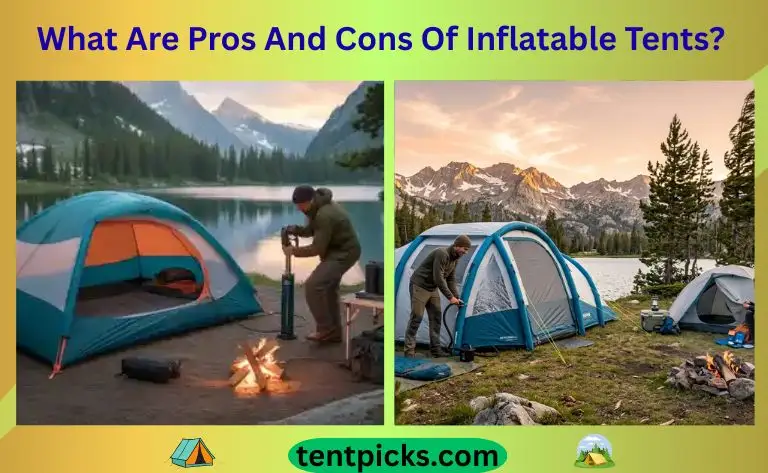
An inflatable tent uses air-filled beams instead of rigid poles. You use a hand or electric pump to fill the beams to a set PSI. The tent then holds its shape like any other shelter. Most designs have multiple air beams, a flysheet, a sewn-in or clip-in floor, and guy lines.
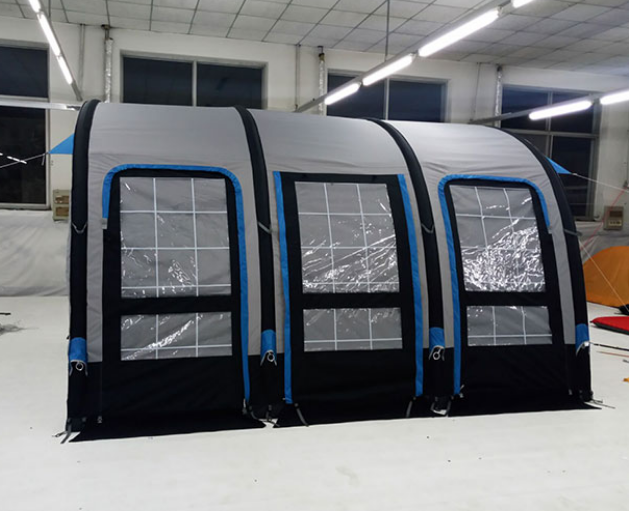
Air beams are usually TPU or PVC tubes inside fabric sleeves. Good models have one-way valves and overpressure relief. Many family and glamping models are large and have high ceilings, which adds comfort. Backpacking versions exist, but they are rare.
Because the frame is air, these tents flex and return to shape under wind. When one beam deflates, some designs keep standing thanks to separate chambers.

Pros of Inflatable Tents
Inflatable tents are popular for a reason. Here are the key benefits you will notice in the field.
- Very fast setup. Most inflatable tents pitch in 5 to 10 minutes with a double-action pump. There are fewer steps and no pole threading.
- Fewer breakable parts. There are no fiberglass or aluminum poles to snap. Air beams bend and rebound under load.
- Stable in wind. Flexible beams deform and spring back. This reduces permanent damage in gusts when guyed out well.
- Easy for one person. Solo campers can erect large family shelters without wrestling poles above their head.
- Safer around kids. No sharp pole splinters. Less risk during setup or takedown.
- Spacious designs. Many inflatable tents are tall with straight walls, wide doors, and generous vestibules.
- Quick takedown. Open valves, roll toward the doors, and pack. It is simple and repeatable.
From my own trips, the biggest gain is speed. On a wet evening on the Oregon coast, I had a four-person air tent up in under eight minutes while my neighbor was still sorting poles. That time saved felt huge.

Cons of Inflatable Tents
Inflatable tents also bring trade-offs. You should weigh these before you buy.
- Heavier and bulkier. Air beams and pumps add weight and volume. Most inflatable tents are suited to car camping more than trekking.
- Higher cost. The tech is newer and pricier. Expect to spend more than a pole tent of the same size.
- Pump dependency. You need a working pump and the right valve adapter. A lost or broken pump can ruin your day.
- Puncture or valve failure risk. Beams can leak from abrasion, sharp objects, or valve issues. Repairs are simple but not instant.
- Slower to fine-tune. You may need to top up pressure after the temperature drops. Cold air lowers PSI, which softens the frame.
- Drying and storage space. Big inflatable tents have more fabric and take longer to dry. They also need more home storage.
I once dragged a packed air tent over gravel and nicked a sleeve. It held for the weekend, but I patched it at home. The fix was easy, but that moment taught me to use a footprint and lift, not drag.

Who Should Choose Inflatable Tents?
Inflatable tents shine for some users and trips, but not all.
- Family car campers. You get fast setup, tall headroom, and comfort in bad weather.
- Event hosts and glampers. Quick pitch for gatherings, festivals, and rentals with less training for staff.
- Short trips with frequent moves. If you set up and break camp daily, speed is gold.
- Windy coastal or open field sites. Flex and rebound can outlast rigid poles in gusts when staked and guyed.
You may want a classic pole tent if you backpack far, fly with your tent often, or have a very tight budget. For alpine or deep winter use, most inflatable tents are not purpose-built, though a few expedition-grade models exist.

Key Buying Factors for Inflatable Tents
Choose with care. Small details can change how inflatable tents perform.
- Capacity and layout. Check the real floor size, door placement, and vestibules. Family models often run big but verify dimensions.
- Fabric and waterproof rating. Look for a flysheet rated 2,000 to 4,000 mm or more, and a bathtub floor with 5,000 mm or more for wet ground.
- Beam material. TPU bladders handle cold better than PVC and resist fatigue. Multi-chamber beams add redundancy.
- Valves and PSI. Simple, robust valves matter. Typical pressures range from 5 to 9 PSI, but follow the maker specs.
- Pump type. A double-action hand pump is reliable. An electric pump saves effort but brings a manual backup.
- Guylines and pegs. Quality lines, reflective accents, and strong stakes help in the wind. Upgrade stakes if your soil is soft or rocky.
- Weight and pack size. Confirm the total with the pump included. If storage or trunk space is tight, measure twice.
- Repair kit and spares. Make sure the tent ships with patches, glue, and a spare valve core or two.
- Ventilation. Look for large mesh, roof vents, and door panels. Good airflow cuts condensation.
Independent gear lab tests and field reports show that TPU beams stay more stable in sub-freezing weather. They also show that proper guying improves storm stability as much as any frame type. The message is simple: pick good materials and pitch well.
Setup, Use, and Maintenance Tips
A few smart habits will keep inflatable tents safe and steady.
- Use a footprint. It protects the floor and reduces puncture risk when you kneel to pump.
- Inflate on flat ground. Clear sticks and thorns. Align doors to the breeze or away from heavy rain, as needed.
- Stake first in wind. Peg corners and a few key guys before full inflation, so the tent does not sail.
- Inflate to spec. Do not guess. Overinflation stresses seams and valves, especially in heat.
- Check pressure with temperature changes. Cold shrinks air. Top up in the evening. Release a bit in midday heat if the beams feel rock hard.
- Guy outs all points. More lines spread loads in gusts. Use proper angles and adjusters.
- Pack dry when you can. If you must pack damp items, air them at home. Mold loves dark, wet folds.
- Patch small leaks early. Clean, dry, and use the right adhesive. Most fixes are fast and strong.
During a three-day storm at a coastal campground, my air tent flexed like a bow and popped back after each gust. I checked the pressure each evening and tightened the guys after the fabric settled. It stayed quiet and solid all weekend.

Inflatable Tents vs Traditional Pole Tents
Both designs work. Your use case decides the winner.
- Speed. Inflatable tents often pitch faster, especially in large sizes. Small pole tents can be just as quick.
- Weight and pack size. Pole tents win for backpacking. Air tents favor car camping and basecamp setups.
- Durability. Poles can snap under point loads. Air beams can puncture but usually fail softly, not sharply. Both repairs in the field with the right kit.
- Cost. Poles are usually cheaper. Inflatable tents cost more up front.
- Wind behavior. Airframes flex and recover. Poles are rigid but can be very strong if well designed.
- Complexity. Both need practice, but inflatable tents remove the pole puzzle.
If you value fast, low-stress pitching and camping near your car, inflatable tents are hard to beat. If you hike all day and count ounces, poles remain king.
Frequently Asked Questions: What Are Pros And Cons Of Inflatable Tents?
Are inflatable tents good in strong winds?
Yes, inflatable tents can do very well in wind due to flexible beams. When well-guied, they bend and spring back instead of snapping.
Do inflatable tents puncture easily?
Not if you care for them. Use a footprint, clear debris, and avoid dragging the tent to prevent abrasion and punctures.
How long do inflatable tents last?
With care, many years of weekend trips. Store them dry, avoid UV overexposure, and fix small leaks right away.
Can I use an electric pump to inflate an air tent?
Yes, but keep a manual pump as a backup. Use the correct adapter and do not exceed the recommended PSI.
Are inflatable tents good for backpacking?
Usually no, due to weight and bulk. A few niche models exist, but most inflatable tents suit car camping.
What happens if one air beam fails?
Many tents have separate chambers, so one deflation will not collapse the whole tent. You can repair or swap the bladder later.
Do inflatable tents get more condensation?
Condensation depends more on airflow and weather than on frame type. Choose models with large vents and use mesh when you can.
How much should I spend on an inflatable tent?
Expect to pay more than for a pole tent of the same size. Higher-priced models often have better fabric, valves, and TPU beams for longevity.
Can I fly with an inflatable tent?
You can, but the packed size and pump can be awkward. Check airline rules, and consider a compact manual pump.
What maintenance do inflatable tents need?
Keep them clean, dry, and away from harsh UV when not in use. Check valves, carry patches, and monitor pressure with big temperature swings.
Conclusion
Inflatable tents deliver fast setup, smooth solo pitching, and strong wind resilience. They also add weight, cost more, and depend on a pump and valves. If you car camp with family or want quick comfort in rough weather, they are a smart buy. If you count ounces or fly often, a pole tent may fit better.
Try one at a demo or rental, learn proper guying, and carry a small repair kit. With a few smart habits, inflatable tents can make camp life simple, dry, and calm. Ready to choose? Explore detailed gear guides, compare specs, and share your questions in the comments.