

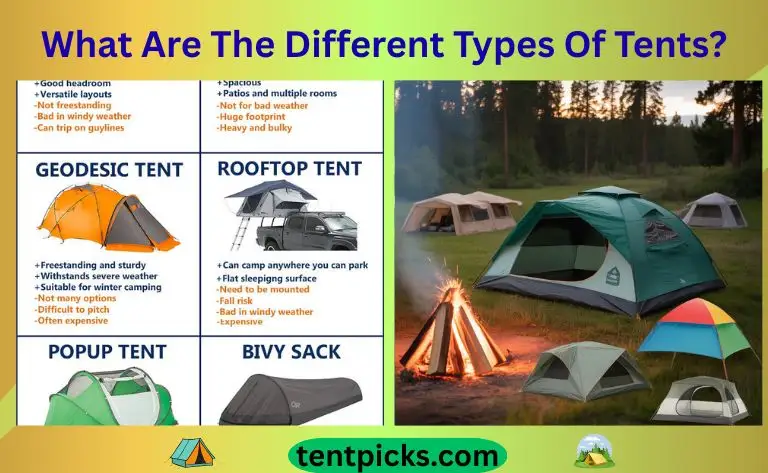
What Are The Different Types Of Tents? | Complete Guide 2026
Tents come in dome, tunnel, cabin, ridge, geodesic, and specialty designs. If you want to know What Are The Different Types Of Tents, this guide is for you. I have camped in deserts, forests, and snow. I will break down shapes, uses, seasons, and materials. You will see clear pros, cons, and real picks you can trust.

Source: momgoescamping.com
What Are The Different Types Of Tents? By shape and structure
When people ask What Are The Different Types Of Tents?, they often mean shapes. Shape sets space, strength, and wind performance. It also guides setup time and weight.
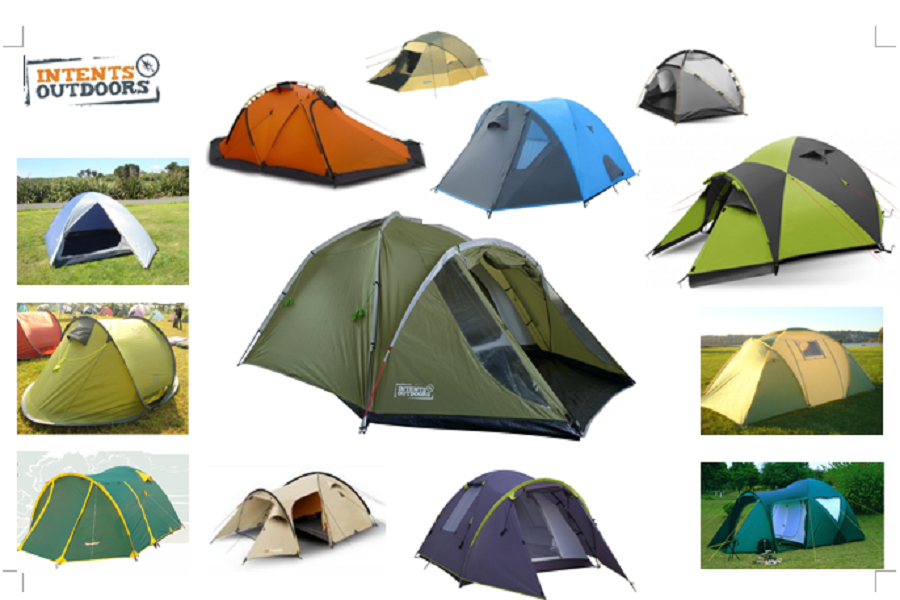
- Dome tents: Fast to pitch and stable in wind. Two poles cross at the top, which creates a strong hub and a roomy floor.
- Tunnel tents: Long and light with great space-to-weight. They need good staking and face wind best from the nose.
- Ridge or A-frame tents: Classic wedge profile. Good shed of rain and snow, but lower headroom.
- Geodesic and semi-geodesic tents: Many crossing poles for high strength. Ideal for storms, alpine trips, and loose ground.
- Cabin tents: Vertical walls and tall doors. Best for families who want standing room and big windows.
- Pyramid or teepee tents: One center pole and steep walls. Great snow shed and fast setup with low weight.
- Pop-up tents: Spring into shape in seconds. Handy for festivals, but bulky to pack and weak in the wind.
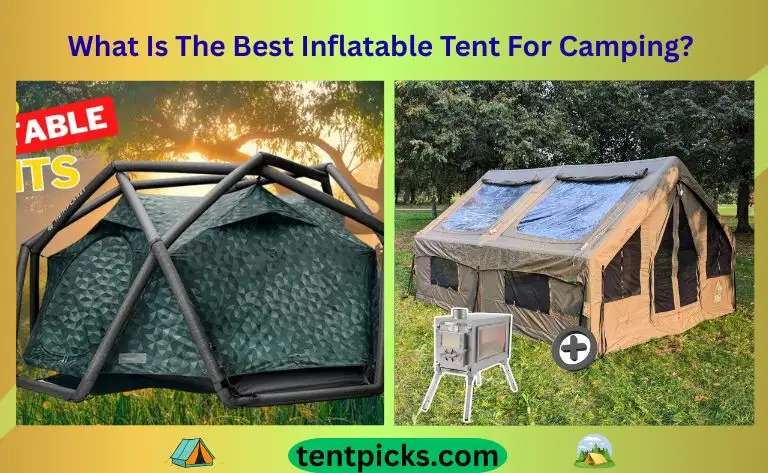
- Inflatable air-beam tents: Use air tubes instead of poles. Simple to pitch and very stable, but heavier and cost more.
- Bivy sacks and hooped bivies: Ultra small and weatherproof for solo use. Great for fast missions with a tiny pack size.
- Tarp tents: Minimal fabric with trekking poles. Very light and airy with a skill-based setup.
- Hammock tents: Sleep above ground. Excellent in wet or rooty terrain with strong trees.
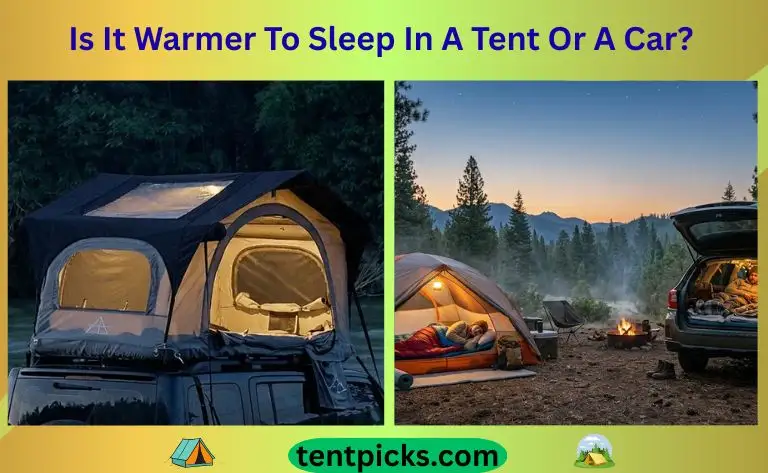
- Rooftop tents: Mount to a vehicle rack. Quick deploy and comfy mattress, but heavy and pricey.
From my winter trips, a semi-geodesic saved me in a ridge gale. For family beach weeks, a cabin tent with large doors kept us cool. Fit the shape to the plan, not the other way around.

Source: americantent.com
What Are The Different Types Of Tents? By use case and season
Another way to read What Are The Different Types Of Tents? is by purpose. Use drive design. Season ratings guide weather range.
- Backpacking and ultralight: Focus on low weight and fast pitch. Expect compact poles, smaller floors, and tight vestibules.
- Family and car camping: Space and comfort come first. Look for tall peaks, room dividers, and big awnings.
- Mountaineering and 4-season: Strong frames and tight fly coverage. Snow skirts, more guy points, and beefy poles are common.
- Expedition and basecamp: Built for storms and long stays. Double doors, big vestibules, and heavy-duty fabrics.
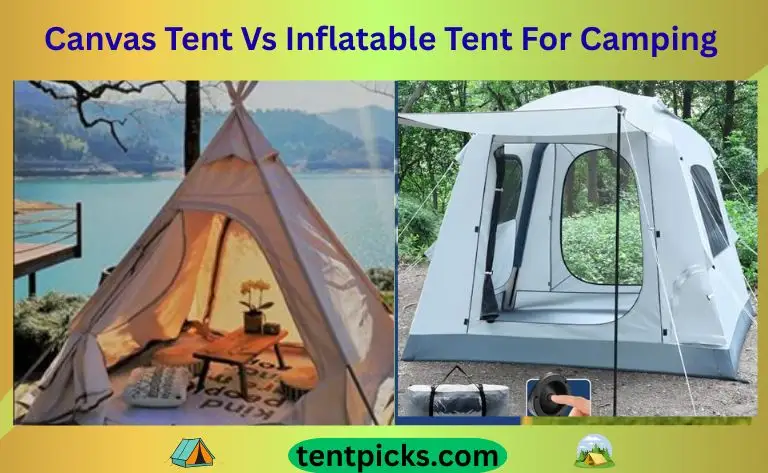
- Glamping and canvas: Bell, yurt, or wall tents feel like a room. They breathe well and handle heat stoves with care.
- Festival and beach: Easy pitch with great airflow. Dark-room options help you sleep past sunrise.
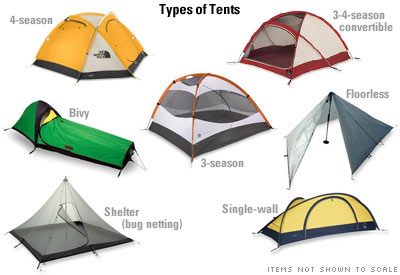
Season basics are simple. A 3-season tent fits spring, summer, and fall. A 4-season tent handles snow and wind. It can be hot and heavy in summer.
On a shoulder-season hike, my 3-season tunnel did fine with frost. In deep winter, I swap to a geodesic with full fabric walls.
Source: co.nz
Structure and setup methods that define tent types
The setup method is a big part of What Are The Different Types Of Tents?. It sets how fast you camp. It also changes where you can pitch.
- Freestanding: Holds shape without stakes. Easy on rock or platforms and simple to move before staking.
- Non-freestanding: Needs stakes or trekking poles. Lighter and packs small, but it needs a good ground.
- Instant and pop-up: Poles are pre-attached or spring-loaded. Fast for short trips and casual use.
- Inflatable or air-beam: Pump the beams instead of inserting poles. Few snag points and strong under even load.
- Single-wall vs double-wall: Single-wall saves weight but can run damp. Double-wall adds a mesh body and fly for better moisture control.
For stormy coast trips, I pick freestanding with many guy points. For speed hiking, I rely on a non-freestanding tarp tent and two trekking poles.
Source: newdbb.com
Materials, poles, and weatherproofing
What Are The Different Types Of Tents? It also depends on the fabric and frame. These parts drive weight, strength, and price.
- Fabrics: Nylon and polyester are light and strong. Canvas is heavy, breathable, and shines on long stays.
- Denier and weave: A higher denier often means tougher fabric. Ripstop weaves resist tears from growing.
- Coatings: PU and silicone add waterproofing. A 1200–3000 mm hydrostatic head is common for rainflies.
- Floors: Bathtub floors protect against splash and runoff. Look for thick coatings and strong seams.
- Poles: Aluminum is light and strong. Fiberglass is cheaper but more brittle. Carbon is light but pricey and can crack in cold.
- Seams and guying: Taped seams block leaks. Good guy points, and line locks improve wind stability.
Numbers vary by brand and test method. Always check the fly rating, floor rating, and pole spec. Small gains in fabric and poles can add years to your tent.
My rule in high wind is simple. Use aluminum poles and at least six guy lines. It keeps flapping down and sleeping up.

Source: americantent.com
How to choose the right tent type
People who ask What Are The Different Types Of Tents? really want a match. You can choose with a few fast steps.
- Define the trip. Note season, terrain, group size, and carry method.
- Pick a shape for wind and space. Dome for balance, tunnel for space, cabin for height.
- Choose wall type. Double-wall for moisture control, single-wall for weight savings.
- Check materials. Aim for solid poles, taped seams, and a floor you trust.
- Weigh trade-offs. Think weight, strength, and comfort. You can have two, not three.
- Test pitch at home. Learn guying and pack order.
Mistakes to avoid are common. Do not pick by capacity alone. A 3-person label often sleeps two with gear. Do not skip a footprint if the ground is rough.
PAA-style quick answers
What tent type is best for high wind?
A geodesic or semi-geodesic tent is best. Many pole crossings share loads and reduce flex.
Are pop-up tents good for rain?
They can work in light rain. For storms, choose a double-wall dome with a full-coverage fly.
Can one tent do all trips?
You can get close with a solid 3-season dome. For winter or heavy wind, you still need a stronger model.
From years of guiding, I learned one key tip: Buy for your roughest regular weather, not your best day plan.
Source: reddit.com
Real-world scenarios and picks
Let us apply What Are The Different Types Of Tents? to real trips. Here are matches that have worked for my teams and me.
- Solo weekend backpack: Two-pole freestanding dome, double-wall, under 4 pounds. Good in mixed weather and fast to move.
- Family summer campground: Cabin tent with two doors and a mesh roof. Add a footprint and a large vestibule.
- Windy desert: Low dome or tunnel with many guy points. Stake deep and use sand anchors or bags.
- Snow camping: Semi-geodesic or pyramid. Use strong poles, extra guys, and dig a cold well at the door.
- Music festival: Pop-up or instant cabin for speed. Bring a tarp awning for shade and dry entry.
- Beach day: Pop-up shade or open-sided canopy. Sand stakes and guy lines are a must.
Each case shows how What Are The Different Types Of Tents? leads to a clear choice. The right match saves time, stress, and money.

Source: bikatadventures.com
Frequently Asked Questions: What Are The Different Types Of Tents?
What size tent do I need?
Add one person to the label for comfort. A 2-person fits two sleeping pads, but little extra gear.
Are canvas tents waterproof?
Canvas is water resistant and can be treated to be very weatherproof. It breathes better than synthetics but weighs more.
What is a vestibule, and do I need one?
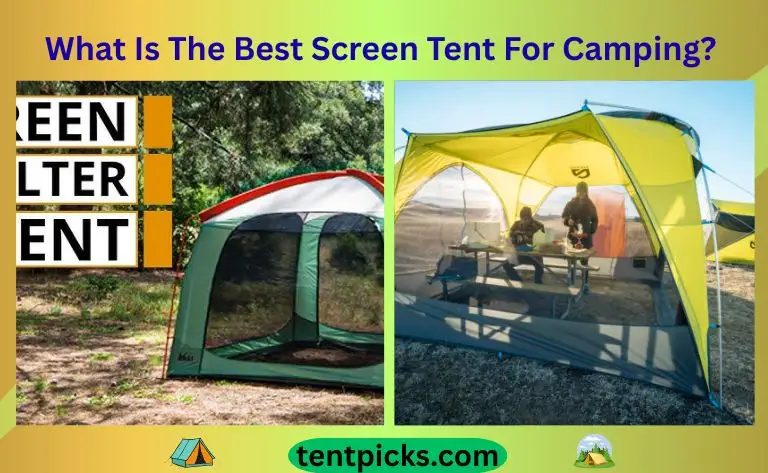
It is a covered area outside the door. It stores boots and packs and keeps rain out as you enter.
Freestanding vs non-freestanding: which is better?
Freestanding is easier on rock or platforms and moves before staking. Non-freestanding is lighter and packs smaller.
Can one tent work for all seasons?
A strong 3-season dome works most of the year. For snow and big wind, use a 4-season or geodesic.
How long should a good tent last?
With care, a quality tent can last many years. Use a footprint, dry it before storage, and repair small tears fast.
Conclusion
You came here asking What Are The Different Types Of Tents?. Now you know shapes, uses, seasons, fabrics, and setup styles. You also have a simple path to choose the right one for your trips.
Pick a tent for your worst-likely weather, then trim weight from there. Test the pitch at home and log what works. Your camp will feel calm, safe, and ready.
Ready to gear up? Explore more guides, compare specs, and leave a comment with your trip plans or questions.

One Comment