


Why Inflatable Family Tent Disadvantages? Avoid These Mistakes
Why Inflatable Family Tent Disadvantages? Learn the key drawbacks of inflatable tents, including durability concerns, air-pump issues, puncture risks, and setup limitations. Avoid common camping mistakes and choose a safer, more reliable family tent.
They puncture more easily, struggle in the wind, weigh more, and demand careful upkeep. If you are weighing inflatable family tent disadvantages, you are in the right place. I have tested air-beam tents for years across rain, wind, and heat. This guide explains how they work and where they fail.
It blends real trail notes with clear data so you can choose with confidence. Keep reading to learn the major inflatable family tent disadvantages and how to avoid expensive mistakes.
How Inflatable Tents Work, And Why That Matters
Inflatable family tents use air beams instead of poles. Each beam holds a bladder inside a fabric sleeve. You pump air through valves to reach a set pressure. The beams create the frame and keep the tent standing.
This design is fast and simple. But it adds single points of failure. If a beam leaks or a valve fails, the structure can sag or collapse. With poles, one broken section often leaves the tent standing. With air, a single leak can bring it down. This is one of the key inflatable family tent disadvantages.
Most brands want a set pressure range. Pressure changes with temperature and altitude. A 10°C drop can lower pressure by about three to four percent. Cold mornings can soften beams. Hot sun can over-pressurize them. This swing affects stability and comfort.
Durability And Puncture Risk
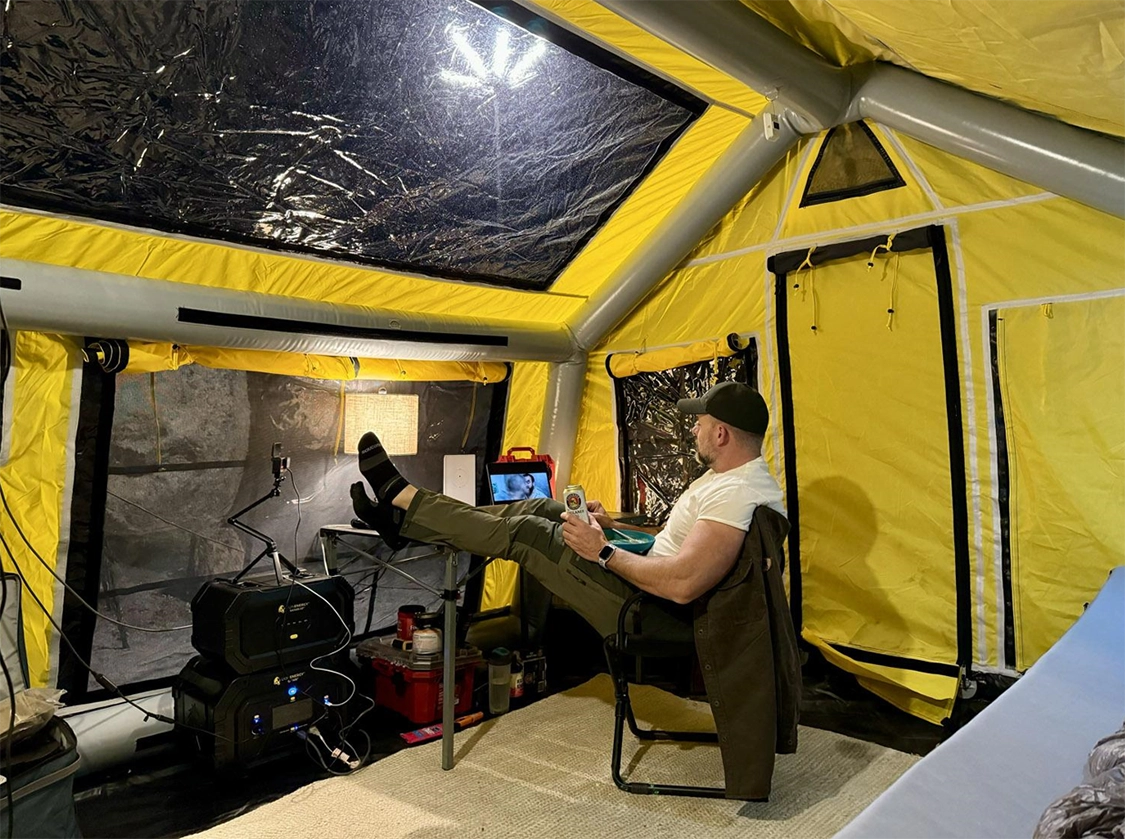
Air beams use TPU or similar bladders. Fabric sleeves protect them, yet they are not armor. Sharp sticks, tent stakes, and camp furniture can cause pinholes. A small leak may be hard to find in the field. I have spent an hour in the drizzle locating a hiss near a seam.
Repairs are doable, but fiddly. You must open the sleeve, remove the bladder, clean it, and patch it. Dry time and cure time slow you down. Some kits seal in minutes. Others need longer. Not fun in the wind or rain. This is one of the practical inflatable family tent disadvantages that hits on real trips.
You can reduce risk with thick ground sheets and careful site choice. Still, puncture risk remains higher than with alloy or fiberglass poles. If your family camps on rough ground, factor this in.
Wind Stability And Structural Rigidity
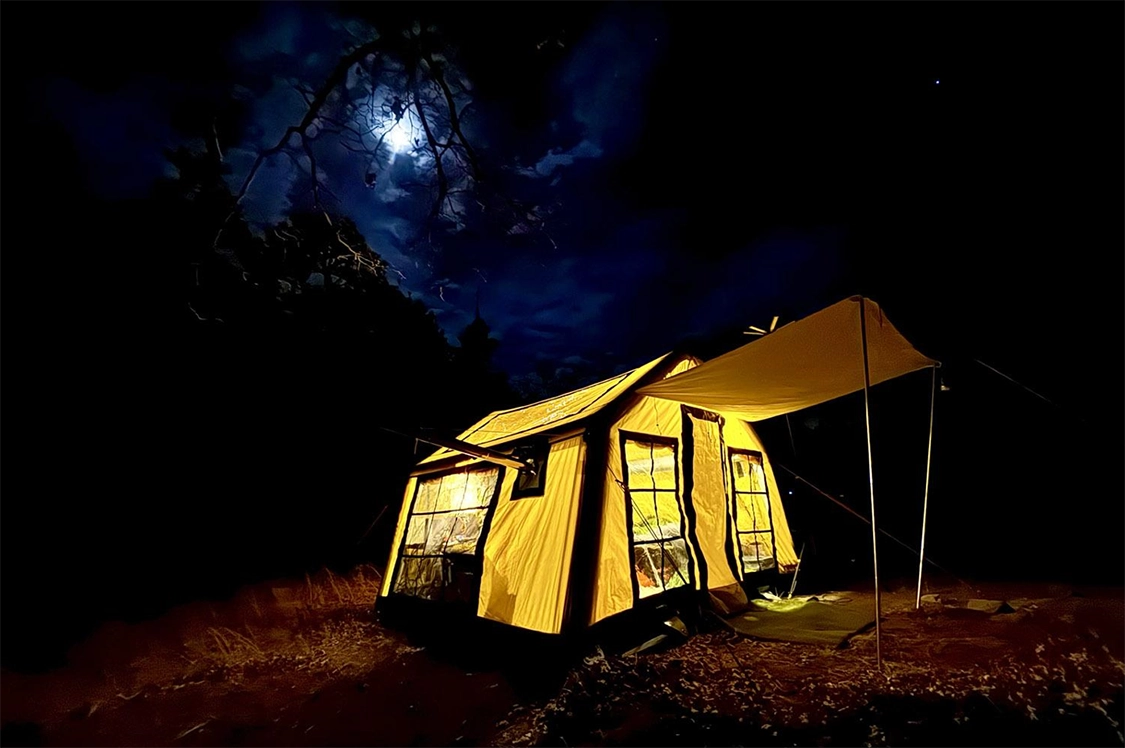
Air beams flex. That can be good for shock loads. But big, tall tents catch the wind like a sail. In strong gusts, beams can deform and crease. Doors may flap. Inner rooms can press onto sleepers. This is a common inflatable family tent disadvantage on exposed sites.
Pole tents often use cross-bracing and high-tension frames. Geodesic designs shed wind better. Many air tents rely on guy lines to add shape. If the soil is soft or the pegs pull out, stability suffers fast.
Real-world note: I have seen large air tents bend under coastal gusts while a smaller poled dome nearby held shape. Both were pitched well. Size and height magnify the stress. If wind is common where you camp, expect trade-offs.
Weight, Bulk, And Transport
Inflatable family tents are heavy. The beams, sleeves, and pumps add mass. Expect 20 to 40 percent more weight than a similar poled design. Packed size is also larger. Trunks fill fast, and roof boxes help, but not everyone has one.
The pump is another item to carry. Many families bring both a manual and a small electric pump. That means more gear to track and store. For car camping, it is fine. For long walks from the car, it is not. Weight and bulk are clear inflatable family tent disadvantages.

Setup Is Fast… Until It Isn’t
The sales pitch is a simple setup. And yes, inflating is quick. In calm, dry weather, I can pitch a mid-size air tent in under 10 minutes. But you must still peg and guy it out well. Skipping good guying is a mistake.
Pumps fail. Hoses crack. Valves stick. A clogged sand filter can slow inflation. A forgotten adapter can halt setup. You also need to monitor pressure in heat or cold. All these steps add small risks. When things go wrong, they go very wrong. This pump dependence is one of the sneaky inflatable family tent disadvantages.

Condensation, Ventilation, And Interior Comfort
Large family air tents often have tall walls and big rooms. Warm, moist air rises and hits cool fabric. Condensation forms and drips. Thick beams and sleeves can block airflow in corners. Some rooms feel stuffy on humid nights.
Good vents, mesh doors, and double-wall designs help. Yet in still air, moisture build-up is common. I have wiped down walls on wet mornings more with air tents than with low-profile domes. This comfort gap belongs on any list of inflatable family tent disadvantages.

Cost Of Ownership And Repairs
Inflatable family tents usually cost more than poled tents of similar size. You pay for bladders, valves, and reinforced sleeves. Over time, parts add up. Replacement bladders and valves are not cheap. Pro service can cost as much as a budget weekend tent.
Depreciation can be sharp if a model has known valve issues. Many brands offer solid warranties, but you may face long wait times during peak season. Add shipping for bulky parts both ways. Higher cost and upkeep are real inflatable family tent disadvantages for budget-focused families.
Maintenance, Storage, And Long-Term Lifespan
Air systems need care. You should rinse off salt and sand, dry the tent fully, and loosen pressure before storage. Store cool and dark to limit UV and heat damage. Check valves for grit and apply the maker’s lube if advised. These steps take time.
UV rays break down coatings and fabrics over seasons. Seams can creep. Bladders can stick if stored damp and hot. With care, the tent lasts. But the maintenance load is higher than with many poled tents. This long-term upkeep is another of the less visible inflatable family tent disadvantages.
Safety And Redundancy Concerns
Redundancy matters. If one pole snaps, a poled tent may still stand with help. If the main air beam deflates, the tent can drop fast. That is stressful at night with kids inside. It is also hard to fix in a storm.
Many air tents use multiple chambers to reduce total collapse. That helps, but not always enough for very large structures. For families, this lack of redundancy ranks high among inflatable family tent disadvantages. Plan a backup shelter or a quick retreat to the car.
When An Inflatable Family Tent Still Makes Sense
Air tents shine for short, fair-weather trips. They are great for festivals and car camps near home. Setup is easy on a clear evening. Rooms feel tall and bright. If you manage risk, they can work well.
Use this quick check:
- Your sites are sheltered and not very windy.
- You camp near your car and can carry a pump and spares.
- You will inspect, dry, and store the tent with care.
- You can afford repair parts and possible downtime.
If you checked those boxes, the inflatable family tent’s disadvantages may not outweigh the benefits for you.
Frequently Asked Questions of Why Inflatable Family Tent Disadvantages?
Are inflatable tents safe in strong winds?
They can handle moderate wind with good guying. In strong gusts, large air tents can deform or collapse more easily than geodesic poled models.
How often do air beams puncture?
Punctures are not daily events, but they happen. Rough ground, hidden thorns, or mishandled stakes raise the odds.
Do inflatable tents always need a special pump?
Most need a compatible adapter and pump. A quality manual pump is fine, but a backup pump is wise for longer trips.
Will temperature changes affect my tent pressure?
Yes, pressure drops in cold and rises in heat. Check pressure morning and evening to keep stability and prevent damage.
Are inflatable tents heavier than pole tents?
Usually, yes. Expect more weight and bulk due to beams, sleeves, and pumps.
Is repair easy in the field?
Simple patches are possible but slow in bad weather. Accessing inner bladders can be tricky with cold hands or rain.
Do inflatable tents cost more over time?
Often they do. Parts, repairs, and warranty shipping can raise lifetime costs versus a pole tent.
Conclusion
Inflatable family tents offer fast setup and roomy comfort, but they bring trade-offs. The main inflatable family tent disadvantages include higher puncture risk, lower wind stability, more weight, pump dependence, and higher lifetime costs. With care and the right sites, they can still serve family trips well.
If you value speed in calm weather, go for it with a repair kit and a spare pump. If you camp in wind or on rough ground, consider a sturdy poled design. Ready to go deeper?
Explore our gear guides, compare models, and ask questions in the comments to find the best fit for your family.





6 Comments