

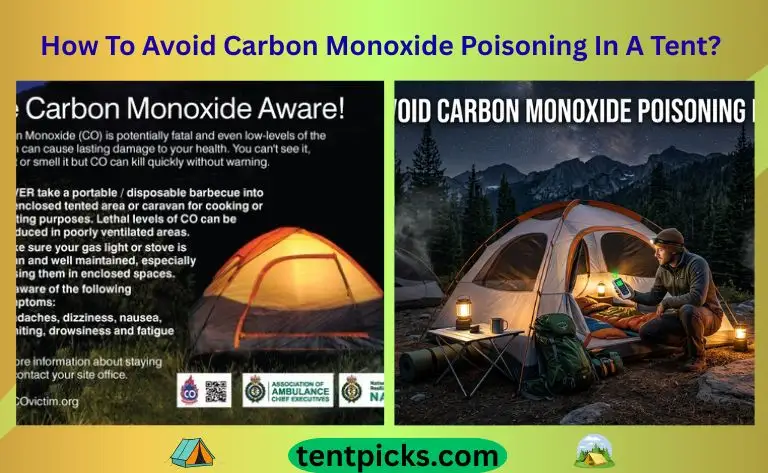
How To Avoid Carbon Monoxide Poisoning In A Tent? | 2026 Tips
How To Avoid Carbon Monoxide Poisoning In A Tent with proven safety tips: ventilation, detectors, and stove rules to prevent CO risks on your next campout. Never burn fuel inside, keep vents open, and use a CO detector. If you camp in cold or wet weather, you must know how to avoid carbon monoxide poisoning in a tent?
I have guided winter trips for years and have seen close calls. This guide gives clear, tested steps so you can sleep warm and safe, not worried. Read on for simple rules, smart gear, and real stories that can save a life.

What Carbon Monoxide Is and Why Tents Are High Risk
Carbon monoxide, or CO, is a gas you cannot see or smell. It forms when fuel does not burn fully. Stoves, heaters, lanterns, and charcoal all make CO.
In a tent, air does not move well. Snow, rain, or tight rainflies trap gases. At night, you zip doors and vents. CO can build up in minutes and make you weak or even stop your breath. Small amounts hurt fast because CO binds to your blood and blocks oxygen.
Key facts to remember:
- Any flame can make CO, even a clean blue flame.
- Charcoal makes a lot of CO. Never use it near a tent.
- Venting helps, but it does not make indoor flames safe in a tent.
If you ask how to avoid carbon monoxide poisoning in a tent, start with a firm rule. No open flames inside. Add smart vent use and a CO alarm.
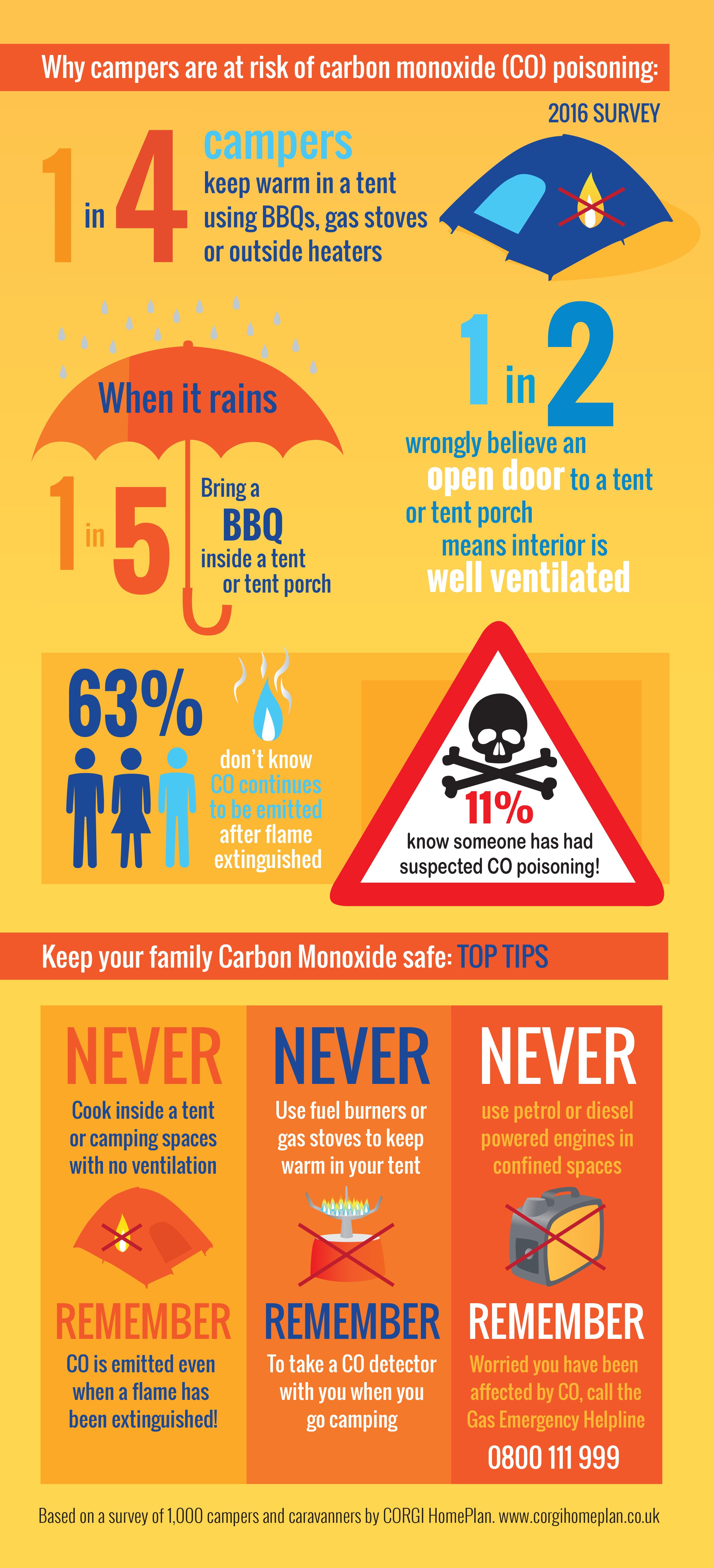
Core Rules: How To Avoid Carbon Monoxide Poisoning In A Tent?
How to avoid carbon monoxide poisoning in a tent? Follow these rules every time.
Non‑negotiable safety rules:
- Do not cook, burn charcoal, or run any fuel heater inside a tent or vestibule.
- Keep all stoves and grills at least 20 feet from the tent. Watch wind and walls.
- Open high and low vents whenever you sleep or use any flame outside nearby.
- Run a battery CO detector inside the tent. Test it before each trip.
- Never sleep with any flame burning, even “indoor safe” heaters.
Helpful habits that cut risk:
- Warm up with layers, hot drinks, and a sleeping bag liner.
- Preheat water bottles and place them in your bag.
- Use a well-vented tarp kitchen, not a tent, for cooking.
- Store fuel outside, leak checked, caps tight.
Repeat this in your head on each trip: how to avoid carbon monoxide poisoning in a tent? No flames inside. Fresh air always. Alarm on.

Ventilation That Works In Real Camps
Ventilation helps with moisture and low levels of fumes. It cannot make cooking inside safe. Still, smart vent use lowers risk from nearby stoves.
What to do:
- Open two vents to get cross flow. One high, one low if your tent allows.
- Unzip the door top clip by one to two inches on cold nights.
- Clear snow and frost from vents often. Drifts can seal a tent in under an hour.
- Face a vent away from a running stove area to pull in clean air.
What to avoid:
- Do not rely on a small mesh vent as your only airflow.
- Do not cook in a vestibule. Wind shifts push fumes inside fast.
- Do not block vents with gear or wet clothes.
This is a core part of how to avoid carbon monoxide poisoning in a tent. Keep air moving, even when it feels cold, to crack a zip.
Safe Gear Choices: Detectors, Stoves, Heaters, and Better Alternatives
Pick a gear that lowers risk. Then use it right.
CO detectors:
- Choose a battery CO alarm with a digital display and test button.
- Place it near head height when you sleep. Test daily on trips.
- Pack spare batteries in a warm pocket.
Stoves and cooking:
- Use a canister or liquid fuel stove outside under a high, open tarp.
- Shield flames with a windscreen, but leave space for air.
- Never use charcoal near tents. It makes heavy CO for hours.
Heaters and light:
- Avoid fuel heaters in tents, even if the box says “indoor safe.”
- If you must use one inside a large canvas shelter, use strong ventilation, a CO detector, and an awake adult watch. Better yet, do not do it.
- Use LED lights. Candles can produce CO and add fire risk.
Better ways to stay warm:
- Use a higher R-value pad or double pads to stop ground chill.
- Wear dry base layers, a warm hat, and thick socks to bed.
- Eat a hot, fatty snack before sleep to fuel heat.
Choosing the right setup is at the heart of how to avoid carbon monoxide poisoning in a tent. You remove the source and add layers, not flames.

Site Setup, Weather, and Wind
Your site can raise or lower risk before you even pitch.
Smart site choices:
- Cook downwind and downhill from tents.
- Keep cars, generators, and running engines far from camp.
- Avoid low bowls or tight trees that trap air.
Weather watch-outs:
- Storms and low-pressure systems hold fumes near the ground.
- Cold air pools in valleys at night.
- Strong winds shift fast. A safe spot can turn unsafe.
When you plan how to avoid carbon monoxide poisoning in a tent, include wind, terrain, and any engine on site.

Symptoms, First Aid, and What To Do Now
Know the signs. CO feels like the flu without a fever. Trust your gut and your alarm.
Common symptoms:
- Headache, dizzy, or weak.
- Nausea, chest pain, or confusion.
- Fast breath, then slow. You may feel sleepy.
Steps to take:
- Get everyone to the fresh air at once. Open the tent wide.
- Call for help. Use exact location info.
- Give oxygen if you have it and know how. Keep the person warm.
- Do not reenter the tent. Air it out later with full venting.
This is the urgent side of how to avoid carbon monoxide poisoning in a tent. Act fast. Fresh air first.

Field-Tested Checklist You Can Pack
Use this simple list. It has saved my group more than once.
Before you go:
- Test your CO alarm and pack spare batteries.
- Check stoves for leaks. Run a quick soapy water test on fittings.
- Plan a cook tarp and pick a wind-safe layout on your map.
In camp:
- Set the kitchen at least 20 feet from tents and downwind.
- Open two tent vents at night. Clear snow off vents before bed.
- Store fuel outside and upright.
When in doubt:
- If you smell exhaust, feel odd, or the alarm chirps, move out now.
- Review with your group how to avoid carbon monoxide poisoning in a tent. Say it out loud before lights out.

Source: ebay.com
Real-World Lessons From The Field
On a February trip, a night storm buried our vents. At 2 a.m., our CO alarm hit 35 ppm. No flame was inside. The nearby stove had been off for an hour, but light wind shifted fumes under the fly. We opened the tent, cleared the snow, and moved the kitchen. That small tool and habit likely stopped a bad event.
Here are the takeaways:
- Even with no active flame inside, CO can drift in.
- Vents can seal shut in minutes in wet snow.
- The group must know how to avoid carbon monoxide poisoning in a tent. It takes one voice to act fast.
I have also seen campers try to cook in a vestibule during rain. The steam felt safe. It was not. A weak cross breeze pushed fumes back inside. The rule stands. No flames in or near the tent.
Quick Answers: Common Tent CO Questions
Can I cook in my tent vestibule if the door is open?
No. Wind can push fumes inside. Cook under a high, open tarp instead.
Do “indoor safe” propane heaters make CO?
Yes, they can. They also use oxygen. In a tent, that risk is not worth it.
Will ventilation alone keep me safe?
No. Venting helps, but it does not make burning fuel inside safe. Use no flames in tents.
Planning With Groups, Kids, and Pets
Shared camps add risk, so set simple rules everyone repeats.
For groups:
- Assign a kitchen lead and a safety checker.
- Mark a no-flame zone line around tents.
- Do a nightly vent and alarm check.
With kids and pets:
- Teach kids to spot the CO alarm and tell an adult if it beeps.
- Keep pets out of the kitchen area.
- Share the phrase on how to avoid carbon monoxide poisoning in a tent? with kids as a mantra.
On guided trips:
- Brief your team on fuel types and CO risk.
- Log CO alarm tests in a simple note on your phone.
People Also Ask: How To Avoid Carbon Monoxide Poisoning In A Tent?
How to avoid carbon monoxide poisoning in a tent? It is a top question for new campers and pros.
Key reminders:
- No flames inside. Ever.
- Vent high and low. Clear snow often.
- Use a CO alarm and keep stoves well away from tents.
Do you remember how to avoid carbon monoxide poisoning in a tent? At each step, your camp stays safe and warm.
Frequently Asked Questions: How To Avoid Carbon Monoxide Poisoning In A Tent?
Is it safe to use a camping stove in a tent during storms?
No. Use a stove under a tall, open tarp or shelter with strong airflow. Move the kitchen downwind and away from tents.
Where should I place a CO detector in my tent?
Place it near head height where you sleep. Test it daily and keep spare batteries warm.
Do candles or lanterns produce carbon monoxide?
Yes, any flame can produce CO. Use LED lights and keep all flames outside.
How fast can CO build up in a tent?
It can be built in minutes, especially with poor airflow or snow-blocked vents. You may feel dizzy or tired before you smell any smoke.
What ppm level is dangerous on a CO detector?
Any reading above zero is a warning in a tent. If levels rise or the alarm sounds, get out to fresh air at once and seek help.
Can I rely on a rainfly vent alone?
No. Open at least two vents or crack a door at the top. Clear snow and ice often to keep air moving.
What fuel types are the highest risk?
Charcoal and gasoline engines create heavy CO. Propane and liquid fuel stoves also produce CO and must stay outside.
Conclusion
Carbon monoxide safety is simple, strict, and non-negotiable. Keep all flames out of the tent. Vent well. Use a CO detector. Teach your group the habit and repeat it until it sticks.
Make your next trip a model of how to avoid carbon monoxide poisoning in a tent. Run a gear check tonight, pack an alarm, and set your kitchen plan. Want more trail-safe tips?
Subscribe, share your questions, or drop your own lessons in the comments.





2 Comments