

What Are The Main Types Of Tents? | Top Expert Guide 2026
What are the main types of tents? Discover dome, cabin, tunnel, geodesic, backpacking, and family tent types in this expert 2026 guide; compare uses, features, pros, and buying tips to choose the best tent for camping, hiking, or outdoor adventures. Most tents fall into dome, cabin, tunnel, A‑frame, geodesic, and specialty designs.
If you’ve ever wondered, What Are The Main Types Of Tents?, you’re in the right place. I’ve camped through desert wind, alpine snow, and muggy summer nights, and I’ve tested more shelters than I can count. This guide breaks down every major tent style with plain-language pros, cons, and real-world advice. By the end, you’ll know exactly which tent fits your trips, your budget, and your comfort level.
Why tent types matter for comfort and safety
Picking the right tent is about more than looks. It’s about sleep, safety, and sanity when the weather flips. Weight, space, and structure all shift as you move between designs.
A solid match can keep you warm in a storm or cool in summer heat. The wrong match can mean restless nights, damp gear, and stress. If you want a fast answer to What Are The Main Types Of Tents?, you also need to know why the types matter for you.
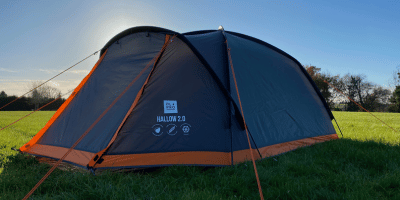
Source: olproshop.com
What Are The Main Types Of Tents? A clear overview
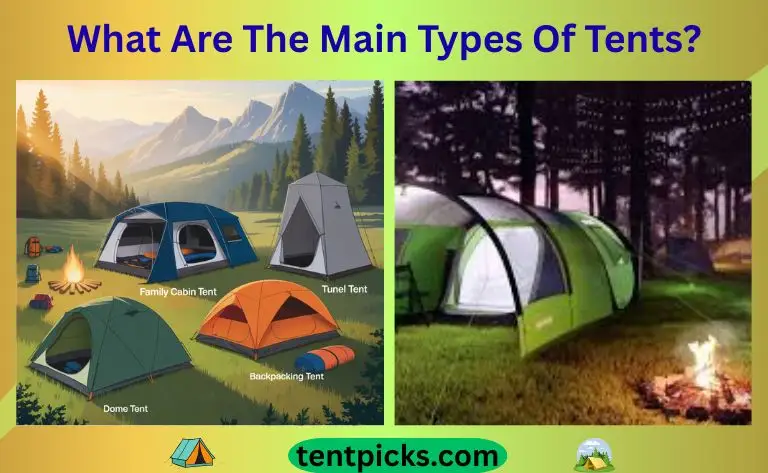
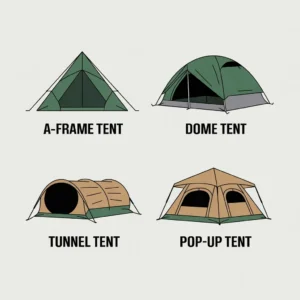
If you ask, What Are The Main Types Of Tents?, you’ll hear these core categories again and again. Each shines in a different use case. Use the quick notes to match the design to your trips.
Dome tents
- What they are: Curved poles cross at the top to make a rounded shell.
- Why they’re great: Stable in wind, easy to pitch, often freestanding.
- Best use: All-around camping and backpacking.
- Watch out for: Less vertical wall space than cabins.
I reach for a dome when a storm might blow in. It sheds wind from all sides and stays calm with good guylines.
Cabin Tents
- What they are: Tall, near-vertical walls, often with room dividers and big doors.
- Why they’re great: Massive headroom and family comfort.
- Best use: Car camping and long stays.
- Watch out for: Catch more wind; heavier to haul.
In still weather, a cabin feels like a tiny home. In wind, you must stake and guy it well.
Tunnel Tents
- What they are: Parallel hoops make a long tunnel shape.
- Why they’re great: Great space-to-weight and long vestibules.
- Best use: Bikepacking, paddling, windy zones with good pitching.
- Watch out for: Not freestanding; needs careful staking and orientation.
Pitch the narrow end into the wind and tension lines at 45 degrees for max stability.
A‑Frame or ridge tents
- What they are: Classic triangle shape with a ridge pole or trekking poles.
- Why they’re great: Simple, light, and fast for minimalist campers.
- Best use: Fair-weather trips, ultralight hikers with trekking poles.
- Watch out for: Lower interior space and less storm-worthiness in high winds.
Geodesic and semi‑geodesic tents
- What they are: Multiple crossing poles create a self-supporting dome with many triangles.
- Why they’re great: Top-tier wind and snow performance.
- Best use: Alpine, four-season, and expedition trips.
- Watch out for: Pricier and heavier than simple domes.
I’ve ridden out 40 mph gusts in a semi‑geodesic. With all the guidelines out, it felt like a bunker.
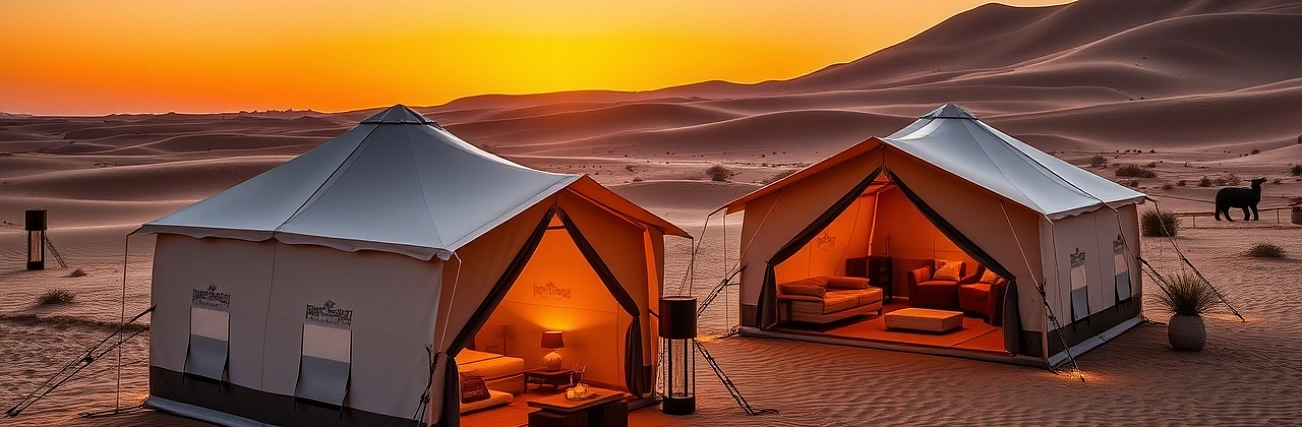
Pyramid, teepee, and bell tents
- What they are: Single-center pole and sloped walls; bell tents often use canvas.
- Why they’re great: Strong in wind and snow with fast shedding; bell tents feel luxurious.
- Best use: Basecamps, glamping, cold weather, with a safe stove setup in some models.
- Watch out for: Center pole eats floor space; some are heavy.
Pop‑Up and instant tents
- What they are: Pre-attached poles or spring frames for ultra-quick setup.
- Why they’re great: Fast pitch for casual camping or festivals.
- Best use: Short trips in mild weather.
- Watch out for: Bulky packed size and lower wind rating.
Backpacking and ultralight tents
- What they are: Low-weight shelters, often 1 to 3 pounds per person.
- Why they’re great: Light on the trail; efficient space.
- Best use: Thru-hikes and long backcountry trips.
- Watch out for: Tighter fit, thinner fabrics; handle with care.
Four‑season and mountaineering tents
- What they are: Strong poles, fewer mesh panels, and steeper walls.
- Why they’re great: Manage wind, spin-drift, and snow load.
- Best use: Winter and high-alpine.
- Watch out for: Heavier, warmer, and overkill for summer.
Hammock tents, bivy sacks, and tarp shelters
- What they are: Off-ground hammocks with bug nets, single-person bivy sacks, and shaped tarps.
- Why they’re great: Minimalist, stealthy, and flexible in tight spots.
- Best use: Solo trips, wet ground, forested routes.
- Watch out for: Learning curve with trees and anchors; less livable space.
Rooftop and truck bed tents
- What they are: Mount on a vehicle roof or slide into a truck bed.
- Why they’re great: Fast camp setup, clean off-ground sleep, great views.
- Best use: Overlanding and road trips.
- Watch out for: Weight limits, ladder use, and cost.
When people ask, What Are The Main Types Of Tents?, this list covers the designs you’ll see on shelves and in the wild. Pick based on weather, group size, and how you travel.
Source: tentproject.ae
Materials, seasons, and weather ratings explained
To answer, What Are The Main Types Of Tents? Well, you also need to know what they’re made of. Fabric and coatings decide if you stay dry, cool, or warm.
- Fabrics
- Nylon: Light and strong for backpacking; can stretch when wet.
- Polyester: Resists UV better and sags less; good for car camping.
- Canvas or cotton: Breathable, quiet, and durable; heavy but cozy in varied weather.
- Dyneema composite: Ultra-light and waterproof; expensive and crinkly but strong for weight.
- Coatings and waterproofing
- PU coating: Common, budget-friendly; can hydrolyze with age.
- Silicone (silnylon): Stronger tear resistance; needs special seam sealing.
- Hydrostatic head: 1200–2000 mm works for light to medium rain; 3000 mm+ for heavy rain and wind-driven storms.
- Season ratings
- Three-season: Spring to fall; good airflow and rain protection.
- Extended three-season: Extra poles or panels for shoulder-season storms.
- Four-season: Reinforced for wind and snow; warmer, less mesh.
Independent lab tests show that higher-denier floors resist abrasion better. In the field, I pair a footprint with thin floors to prevent punctures. A little prep goes a long way toward a dry, calm night.

Source: commercialtentsupply.com
Poles, structure, and setup speed
Poles shape stability and ease of setup. They can make two tents of the same size feel totally different.
- Pole materials
- Aluminum: Strong, repairable, and a great balance of weight and price.
- Fiberglass: Budget-friendly but heavier and more prone to cracking.
- Carbon: Very light and stiff; pricey and less forgiving to misuse.
- Structure types
- Freestanding: Stands without stakes; fast and flexible on rock or platforms.
- Semi-freestanding: Needs a few stakes for full shape; good middle ground.
- Non-freestanding: Needs full staking and guylines; often lightest.
- Setup speed
- Color-coded poles and clips make pitching simple.
- Pre-attached inner-and-fly designs speed setup in the rain.
- Practice at home so storm pitches are smooth and fast.
Any time a friend asks, What Are The Main Types Of Tents? for quick setup, I point to domes with clip systems or solid instant tents for calm weekends.
Source: olproshop.com
How to choose the right tent for you
Start with where you camp and who you camp with. Then set a weight and budget target. Use this simple flow to match needs to a type and avoid regret.
- Trip style
- Car camping: Cabin or dome for space and comfort.
- Backpacking: Dome, semi‑geodesic, or ultralight trekking‑pole shelter.
- Winter or alpine: Four-season geodesic or sturdy tunnel.
- Group size and livability
- Add one person to the rating for comfort with gear.
- Look for two doors and two vestibules for shared tents.
- Check peak height and wall angle if you hate crouching.
- Weather and terrain
- Wind: Geodesic, tunnel, or low-profile dome.
- Heat: More mesh and larger vents.
- Rain: Higher hydrostatic head, full-coverage fly, strong floor.
- Budget and weight
- Under $200: Basic dome or budget cabin; manage expectations in storms.
- $200–$500: Reliable aluminum domes and light three-season shelters.
- $500+: Premium UL or four-season builds with top hardware.
If What Are The Main Types Of Tents? is your search, this checklist turns answers into action. Put your trips first, and the right tent becomes obvious.
Source: alibaba.com
Common mistakes to avoid and pro tips
Experience is a patient teacher. Here are the mistakes I see most and how to fix them fast.
- Buying only by capacity rating
- A two-person tent often means tight quarters. Size up for comfort.
- Ignoring vestibules
- Wet gear needs a home. Two vestibules are a game-changer for pairs.
- Skipping guylines
- Even “freestanding” tents need guylines in the wind. Stake at 45 degrees, tension just firm.
- Forgetting ventilation
- Crack vents even in rain to cut condensation. Use a small door gap if safe.
- Not practicing the pitch
- A five-minute backyard test saves you in a storm. Time yourself; learn the steps.
- Using the wrong stakes
- Sand and snow need wider or deadman anchors. Soft soil likes Y or V stakes.
When friends ask, What Are The Main Types Of Tents? for windy coasts, I say types that guy out well and have low profiles. The right pitch matters as much as the right tent.
Source: bedbathandbeyond.com
Care, storage, and lifespan
Treat your tent well, and it will pay you back trip after trip.
- After each trip
- Dry fully before storage to prevent mildew and PU breakdown.
- Brush out sand and dirt; they grind coatings over time.
- Repairs and upkeep
- Seam seal if needed; refresh DWR on the fly when water stops beading.
- Carry a pole splint, patch tape, extra cord, and spare stakes.
- Storage
- Store loose in a cool, dry place, not compressed in its sack.
- Keep away from direct sun to slow UV wear.
What Are The Main Types Of Tents? matters less if the fabric fails. A little care stretches years from your shelter.

Source: motea.com
Real-world picks and scenarios
Here’s how I match tent types to trips from my own logbook. It keeps choices simple and sure.
- Storm-prone weekends
- Semi‑geodesic dome with two doors and full fly.
- Stable in gusts and easy to pitch at dusk.
- Family basecamp
- Cabin tent with steel or aluminum poles and a large awning.
- Add a footprint, cots, and a soft rug for home-like comfort.
- Ultralight weekend
- Trekking‑pole shelter or one-pole pyramid with a net inner.
- Under two pounds and fast to set on uneven ground.
- Winter tree line
- Four-season geodesic with many guylines and snow skirts.
- Handles spindrift and heavy winds while you melt snow.
- Bikepacking coast route
- Low tunnel tent with long vestibule for panniers.
- Pitch the narrow end into the wind for a quiet night.
If a friend texts me, What Are The Main Types Of Tents? for a first backpacking trip, I steer them to a two-door dome. It’s forgiving, light enough, and easy to love.
Frequently Asked Questions: What Are The Main Types Of Tents?
What Are The Main Types Of Tents for beginners?
Dome and cabin tents are the easiest to start with. They pitch fast, feel roomy, and handle most weekend weather.
Which tent style is best for high wind?
Geodesic or semi‑geodesic tents are most stable. Tunnel tents do well too when pitched into the wind and fully guyed out.
Are pop‑up tents any good?
Pop‑ups are great for quick, calm trips. They set up fast but struggle in strong winds and pack down bulky.
What materials last the longest?
Canvas lasts a long time with good care, while quality polyester resists UV better than nylon. Dyneema is ultra-light and strong but costly.
How do I pick a tent for rain?
Choose a full-coverage fly, taped seams, and at least 2000–3000 mm hydrostatic head. Vestibules for gear and good vents reduce condensation.
Can one tent cover all seasons?
Most campers do best with a three-season tent and smart site choice. True four-season tents are for winter and alpine trips, not hot summer nights.
What Are The Main Types Of Tents for backpacking?
Light domes, semi‑freestanding models, and trekking‑pole shelters lead the list. Aim for low weight, two doors, and strong weather protection.
Conclusion
Now you can do more than ask, What Are The Main Types Of Tents? You can match design to terrain, season, and group, and you can spot the trade-offs that matter to you. Choose with purpose, practice your pitch, and you’ll turn rough weather into a calm night under the stars.
Take the next step: list your trips for the year, set your budget, and pick a tent that fits your plan. Ready for more gear guides and field-tested tips? Subscribe, share your questions, or drop a comment with your favorite shelter.
One Comment