


How To Clean A Tent With Vinegar? Top Tent Expert Advice
How To Clean A Tent With Vinegar? Discover expert tips and proven methods to remove mold, mildew, and odors from your camping tent using natural vinegar cleaning solutions.
Learn step-by-step tent cleaning techniques, maintenance advice, and eco-friendly care for a longer-lasting, fresh-smelling tent. Perfect for campers and outdoor enthusiasts!
Mix equal parts white vinegar and water, scrub gently, rinse, and dry fully.
If your tent smells musty, shows light mildew, or needs a safe refresh, you’re in the right place. I’ve cleaned dozens of tents after damp trips, festivals, and long storage.
In this guide on How To Clean A Tent With Vinegar, I’ll show you proven steps, pro tips, and mistakes to avoid so your shelter smells fresh, stays waterproof, and lasts for years.

Why Vinegar Works On Tents
White vinegar contains acetic acid. It breaks down mineral deposits, body oils, smoke film, and some mildew. It also helps neutralize odor-causing bacteria without harsh chemicals.
For most tent fabrics, a diluted vinegar mix is gentle and safe. It does not bleach colors and rinses clean. It is a smart first step before stronger cleaners. Still, vinegar has limits.
It will not fix failing polyurethane coatings or peeling seam tape. It also will not kill every mold species. Use it as a cleaner and deodorizer, then dry and air well.
From real use, I’ve seen vinegar rescue “camp funk” and light mildew stains fast. It cut through a week of rain and stink on my family’s car-camping tent. The key is a short contact time, gentle scrubbing, and a full rinse.
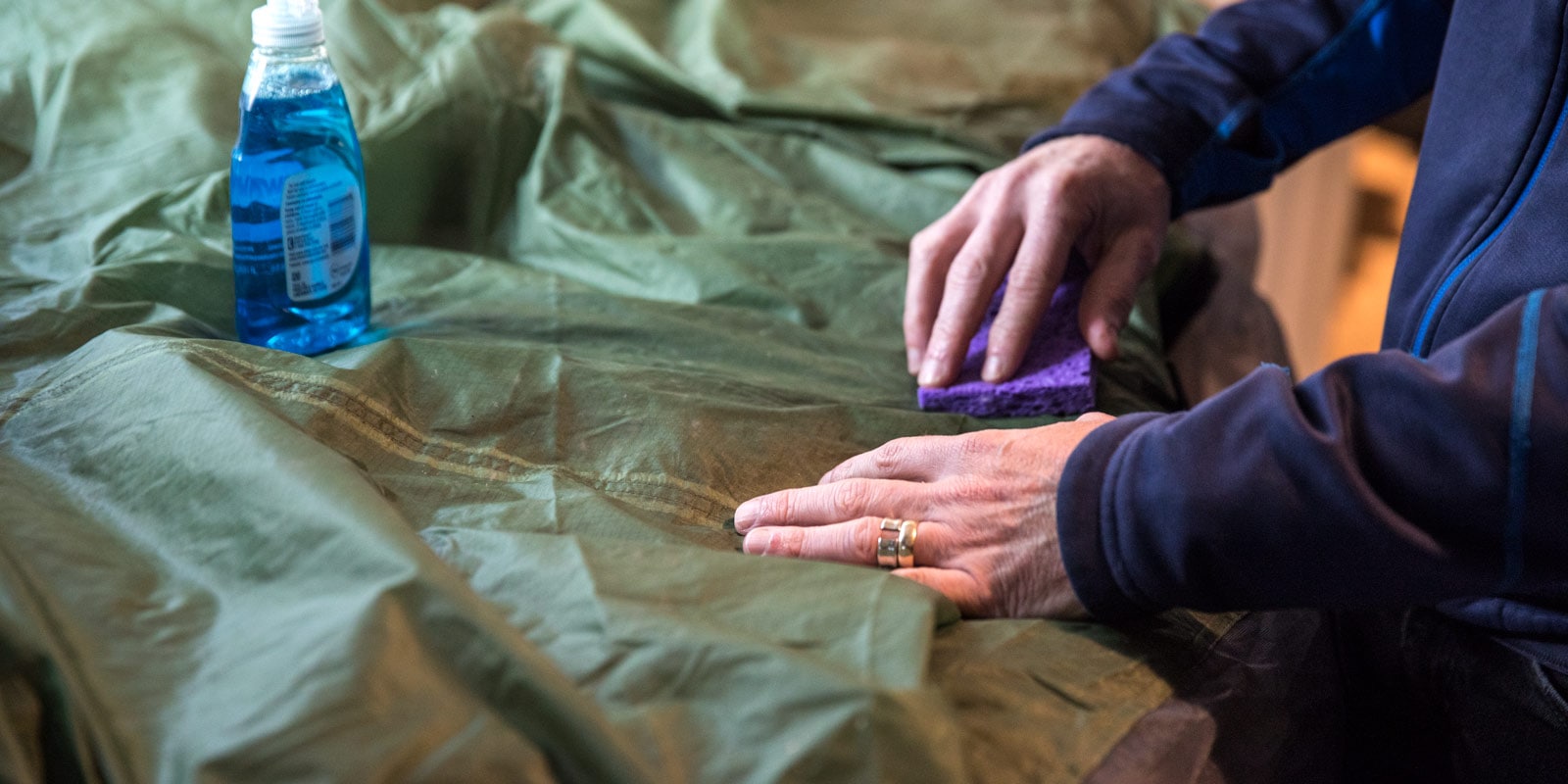
What You’ll Need For How To Clean A Tent With Vinegar
- White distilled vinegar. Use standard 5% vinegar for predictable results.
- Clean bucket or tu, big enough for panels to soak flat.
- Soft sponge or microfiber cloth. Avoid stiff brushes that can scuff coatings.
- Soft toothbrush for zippers, corners, and seam lines.
- Mild, non-detergent soap. Optional for heavy soil after the vinegar step.
- Spray bottle for spot treatment and inside corners.
- Lukewarm water Not hot, which can weaken coatings and adhesives.
- Dry towels and a clothesline for drip-drying in shade.
- Optional odor helpers: Baking soda for a separate deodorizing rinse.
Tip: If you’re uncertain about your fabric, do a quick spot test. Dab the mix on a hidden edge. Wait 5 minutes. Rinse and inspect.

Step-By-Step: How To Clean A Tent With Vinegar
Follow this simple process to clean a tent with vinegar while protecting fabric, DWR, and seam tape.
- Prep the tent
- Shake out dirt outside. Remove poles and stakes. Unzip doors and windows.
- Set the tent up or lay it flat on a clean tarp for easy access.
- Mix your solution
- Combine equal parts white vinegar and cool water in a spray bottle or bucket.
- For light soil, you can use 1 part vinegar to 2 parts water.
- Spot-clean first
- Spray the vinegar mix on stains, floor corners, and door cuffs.
- Wipe with a soft sponge in small circles. Use a toothbrush for zipper tracks and seams.
- Clean the body panels
- Dip the sponge in the vinegar mix. Wipe interior walls, then the fly sheet.
- Work top down. Rinse your sponge often. Keep pressure light.
- Rinse well
- Rinse each cleaned area with cool water. Avoid soaking seam tape for long periods.
- If water beads poorly, that is normal. You’ll refresh DWR later.
- For heavy grime, add mild soap
- After the vinegar pass and rinse, use a small amount of non-detergent soap in water.
- Wipe, then rinse again until the water runs clear.
- Dry in shade
- Hang the tent and fly in moving air, out of direct sun to protect coatings.
- Ensure zippers and pockets are fully dry before storage.
Real-world note: When I clean a tent with vinegar, I never wring the fabric. Twisting can crease and crack coatings. Blot with towels, then air-dry.
Mold, Mildew, And Tough Odors: How To Clean A Tent With Vinegar When It’s Bad
Light mildew responds well to vinegar. For darker spots or stubborn smells, use a stronger approach.
- Targeted spray: Use undiluted white vinegar on visible mildew. Let it sit for 10 to 15 minutes. Keep areas damp, not dripping.
- Gentle scrub. Use a soft brush or sponge. Work carefully along seam lines.
- Rinse and dry Rinse with cool water and dry in shade with airflow.
- Optional odor rins: After rinsing vinegar away, dissolve 1 to 2 tablespoons of baking soda in a gallon of water. Rinse panels, then rinse with plain water again. Do not mix baking soda with vinegar in the same step.
- Air out overnight If odor lingers, pitch the tent indoors or in shade for a day. Airflow is your friend.
Safety notes:
- Never mix vinegar with bleach or products containing chlorine. The combo can release harmful gas.
- Avoid long soaks for coated fabrics. Extended soaks can stress adhesives and seam tape.
Drying, Reproofing, And Storage After You Clean A Tent With Vinegar
Drying
- Dry until every seam and corner is crisp-dry. Mildew loves damp folds.
- Use fans if needed. Shade is best to protect fabric from UV.
Reproofing
- Cleaning can reduce beading. After the tent is dry, apply a spray-on DWR to the rainfly.
- For floors, use a fabric-safe waterproofing made for tents.
Storage
- Store loose, not compressed. A large breathable bag works well.
- Keep it cool, dry, and dark. Add a note of the last clean date.
From experience, reproofing right after you clean a tent with vinegar restores that like-new bead. It also delays the “sticky” feeling some older PU-coated tents develop.
Common Mistakes To Avoid And Pro Tips
Mistakes to avoid
- Using hot water, Heat can weaken coatings and tape.
- Scrubbing hard with a stiff brush. This can scuff fabric and remove DWR.
- Skipping the rinse, the Vinegar left in the fabric can attract moisture and odors.
- Drying in harsh sun UV speeds up coating breakdown.
- Packing damp. Even a little moisture can spawn mildew in days.
Pro tips from the field
- Work in sections. Do walls, then floor, then fly. It keeps you organized.
- Clean zippers with vinegar and a toothbrush. Then rinse and dry. Add a tiny amount of zipper lubricant if needed.
- Tent footprint first. A clean footprint keeps the tent floor cleaner.
- Keep a small vinegar spray in your camp kit A quick spritz at camp can stop smells before they set.
Fabric And Coating Notes For How To Clean A Tent With Vinegar
Silnylon and silpoly
- These silicone-coated fabrics handle diluted vinegar well. Keep contact short and rinse.
PU-coated polyester or nylon
- Be extra gentle. Avoid long soaks. If the coating is flaking or sticky, cleaning will not fix it. You may need a re-coat kit or a new fly.
Mesh panels
- Use light pressure and a soft sponge only. Mesh can snag and stretch.
Metal parts
- Wipe poles and stakes with the vinegar mix to remove grime. Rinse and dry to prevent corrosion.
Ground tarps and footprints
- Vinegar removes soil and funk fast. Rinse well and dry fully to avoid trapped odors.
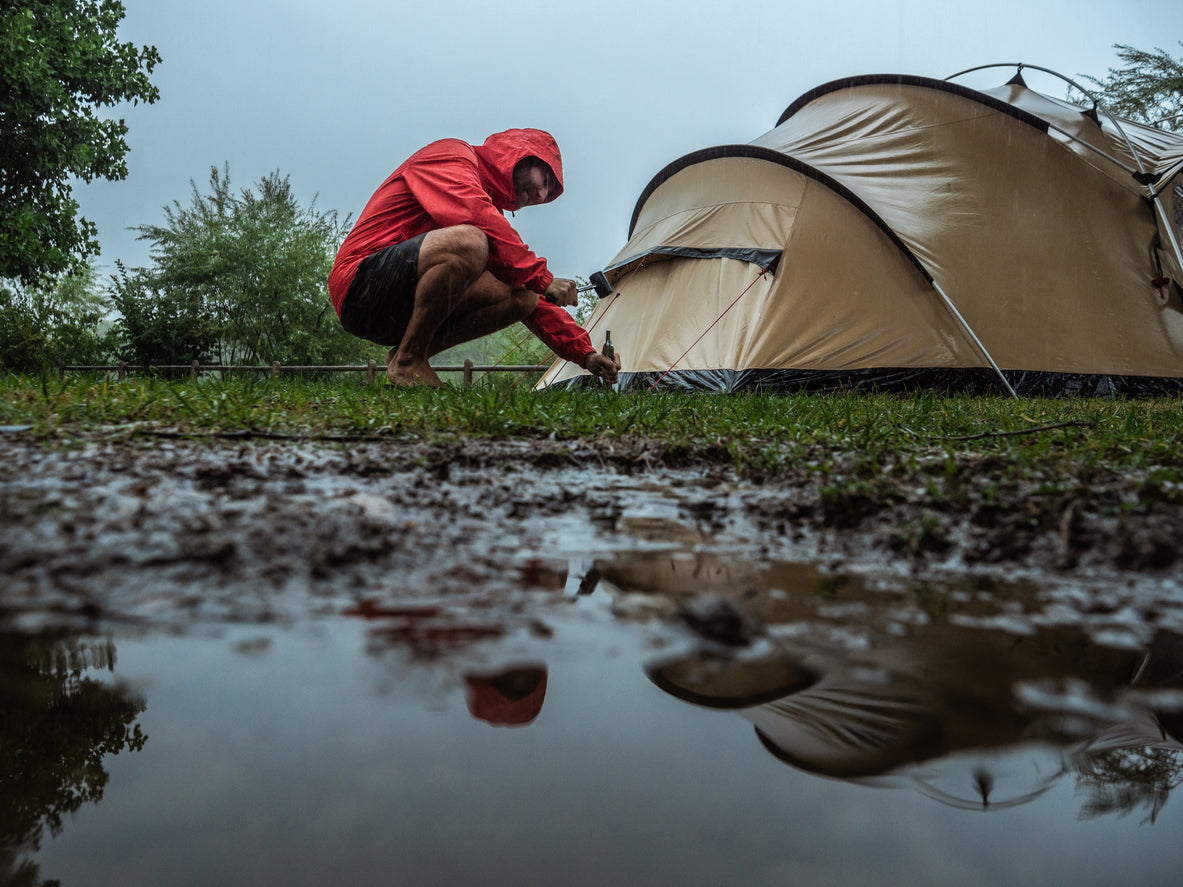
Real-World Example: How To Clean A Tent With Vinegar After A Rainy Trip
After a week of steady rain, my 4-person dome came home smelling like a swamp. Here’s what worked.
- I mixed a 1:1 vinegar-water solution and sprayed the floor corners and door cuffs.
- I wiped the inner walls with a sponge, then rinsed with cool water.
- I treated faint mildew on the fly with undiluted vinegar for 10 minutes, then rinsed.
- I air-dried in shade for a day, then reapplied DWR to the fly.
- The musty smell was gone, and the fly-beaded water was like new.
This is my go-to plan when I clean a tent with vinegar after wet festivals or coastal trips.
Frequently Asked Questions Of How To Clean A Tent With Vinegar
Can vinegar damage my tent’s waterproofing?
Diluted vinegar is safe for most tents when the contact time is short. Rinse well and reapply DWR to the fly to restore beading.
What vinegar-to-water ratio should I use?
Start with 1:1 for general cleaning and odor control. For light soil, go 1:2; for mildew spots, use undiluted vinegar briefly.
Will vinegar remove mold completely?
Vinegar reduces many common mildews and odors, but not all molds. For severe growth or health concerns, consult a pro or consider replacement.
Can I Machine Wash my tent with vinegar?
Avoid machines. Agitation and heat can damage coatings and seams. Hand-clean with vinegar, rinse, and air-dry instead.
How often should I clean a tent with vinegar?
Clean when you notice odor or visible soil. After wet trips, do a quick vinegar wipe and full dry before storage.
Is it safe to mix vinegar with baking soda for cleaning?
Do not mix them in the same step. Use vinegar first, rinse, then a separate baking soda rinse if you need extra deodorizing.
Can I use apple cider vinegar instead of white vinegar?
White distilled vinegar is best. It is clear, predictable, and less likely to stain fabrics than apple cider vinegar.
Conclusion
You can clean a tent with vinegar in a simple, safe way. Use a 1:1 mix for most tasks, treat mildew briefly with undiluted vinegar, rinse well, dry in shade, and refresh DWR. With this plan, your tent will smell fresh and stay ready for the next trip.
Try these steps on your tent this week, even if it is only a quick wipe and air-out. Want more field-tested gear care tips?
Subscribe for updates or drop your questions in the comments.






One Comment